
Setting up a perspective grid by hand takes longer than the drawing does. Mark the horizon, place the vanishing points, rule out dozens of lines with a straightedge, and only then start.
These sheets have all of that already drawn, in one point, two point, and three point, so you can skip straight to the part you actually wanted to do. 📐
⭐ Looking for a different grid? Every style lives on the printable graph paper hub. ⭐

THE BEES ARE BUZZING
☀️ Summer is Here! 🌴
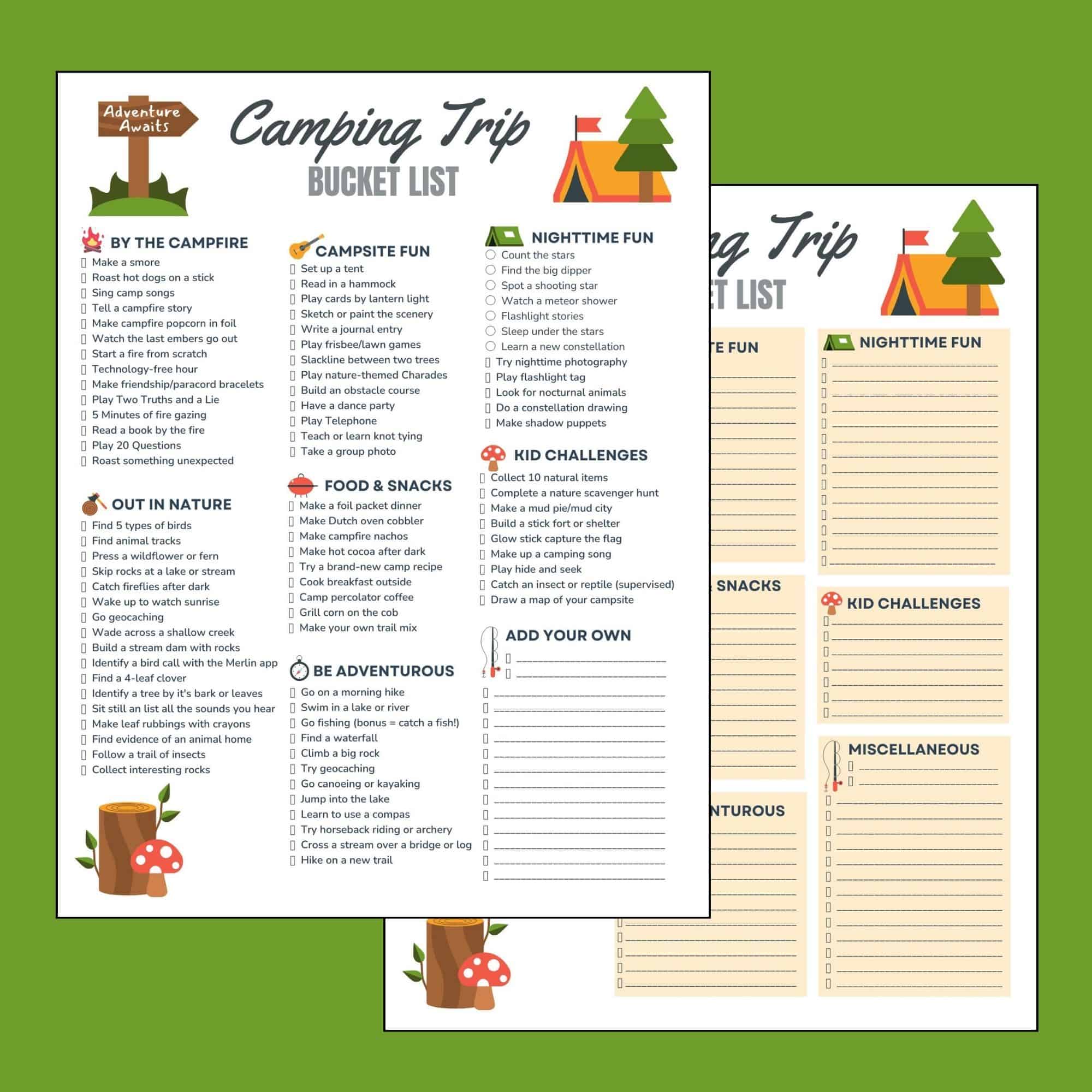
Free Camping Bucket List (50 Fun Ideas for Families)
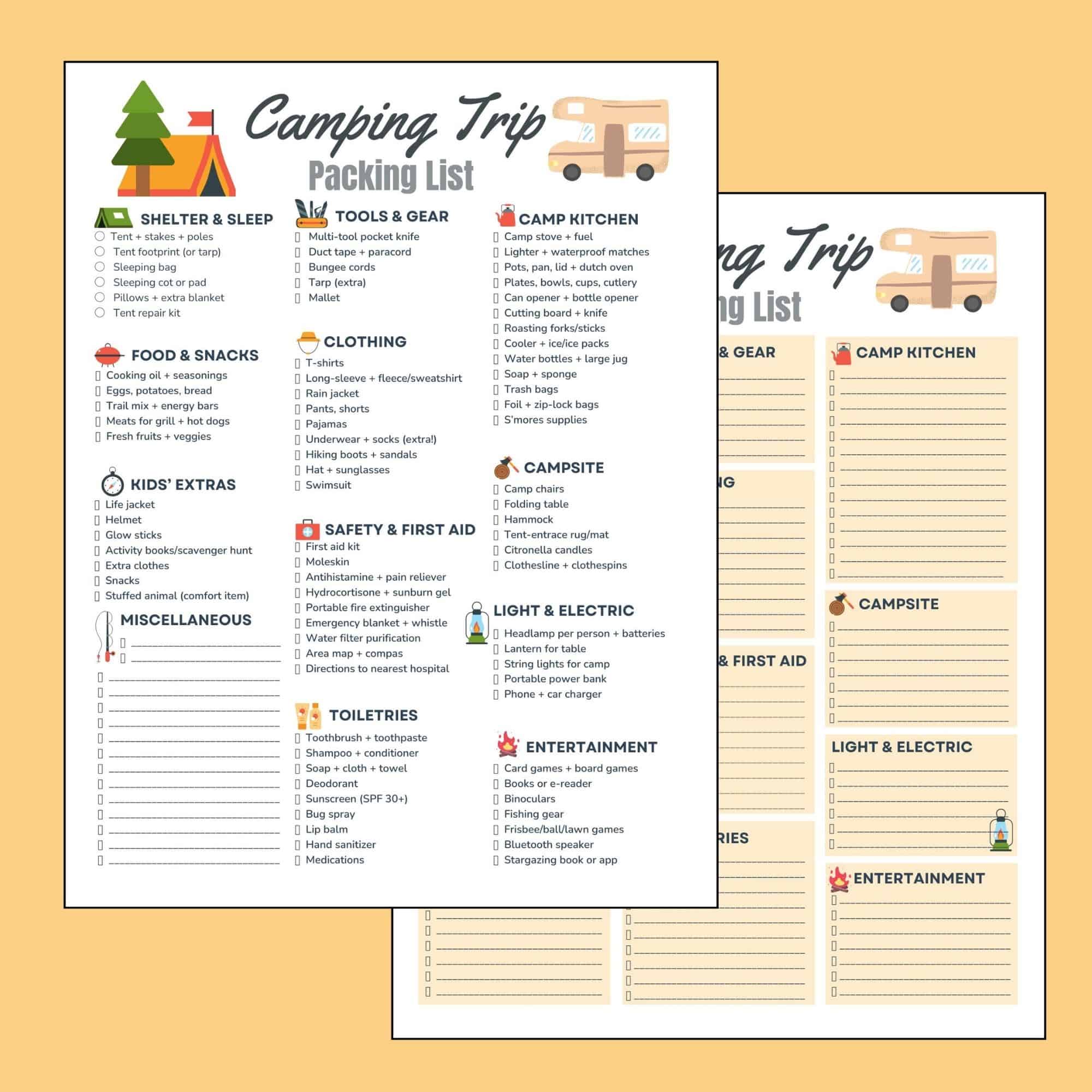
Ultimate Camping Packing List: Printable Checklist

Free Printable Summer Routine Checklist for Kids (Morning, Afternoon & Evening)
What’s included
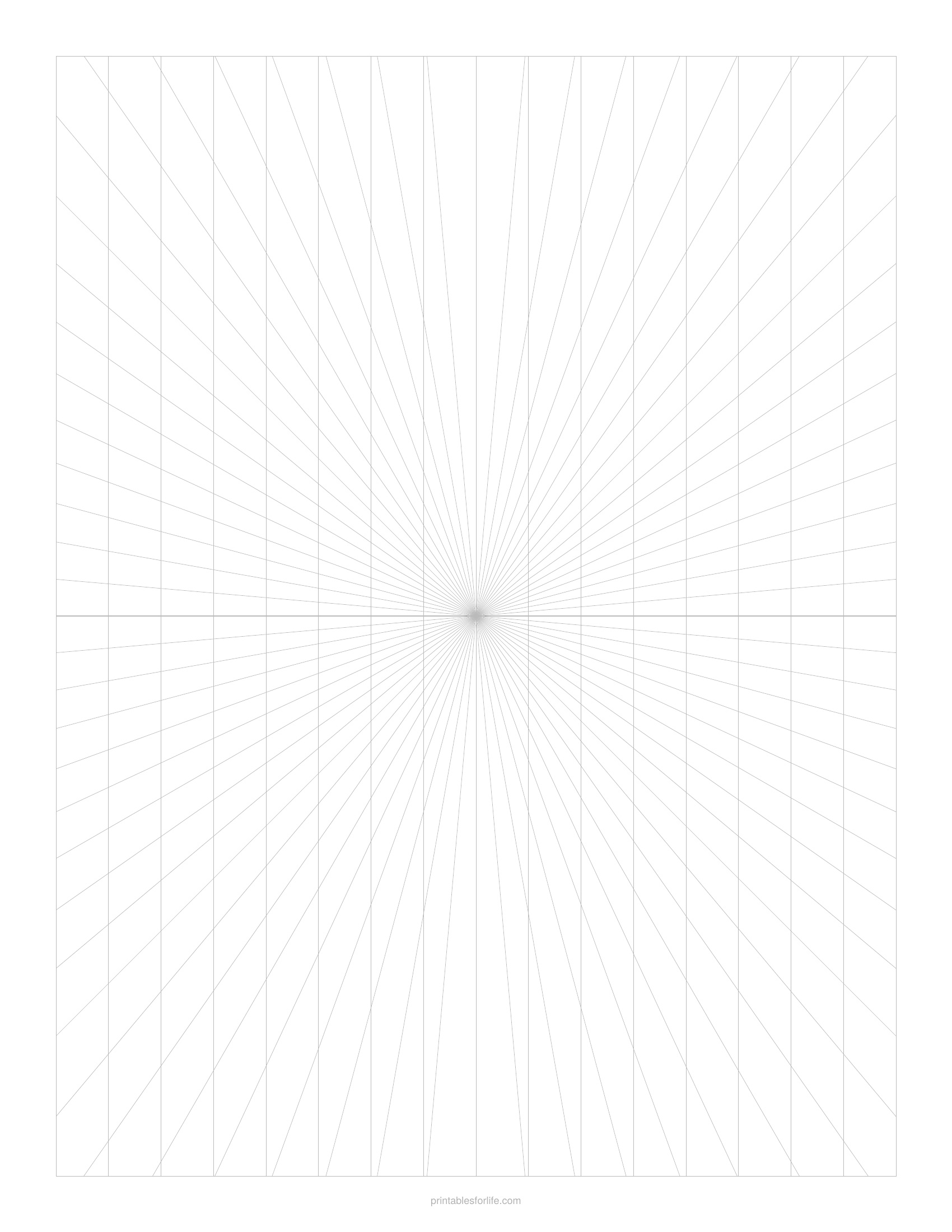
- One point perspective grid — a single vanishing point at the centre with the horizon line drawn
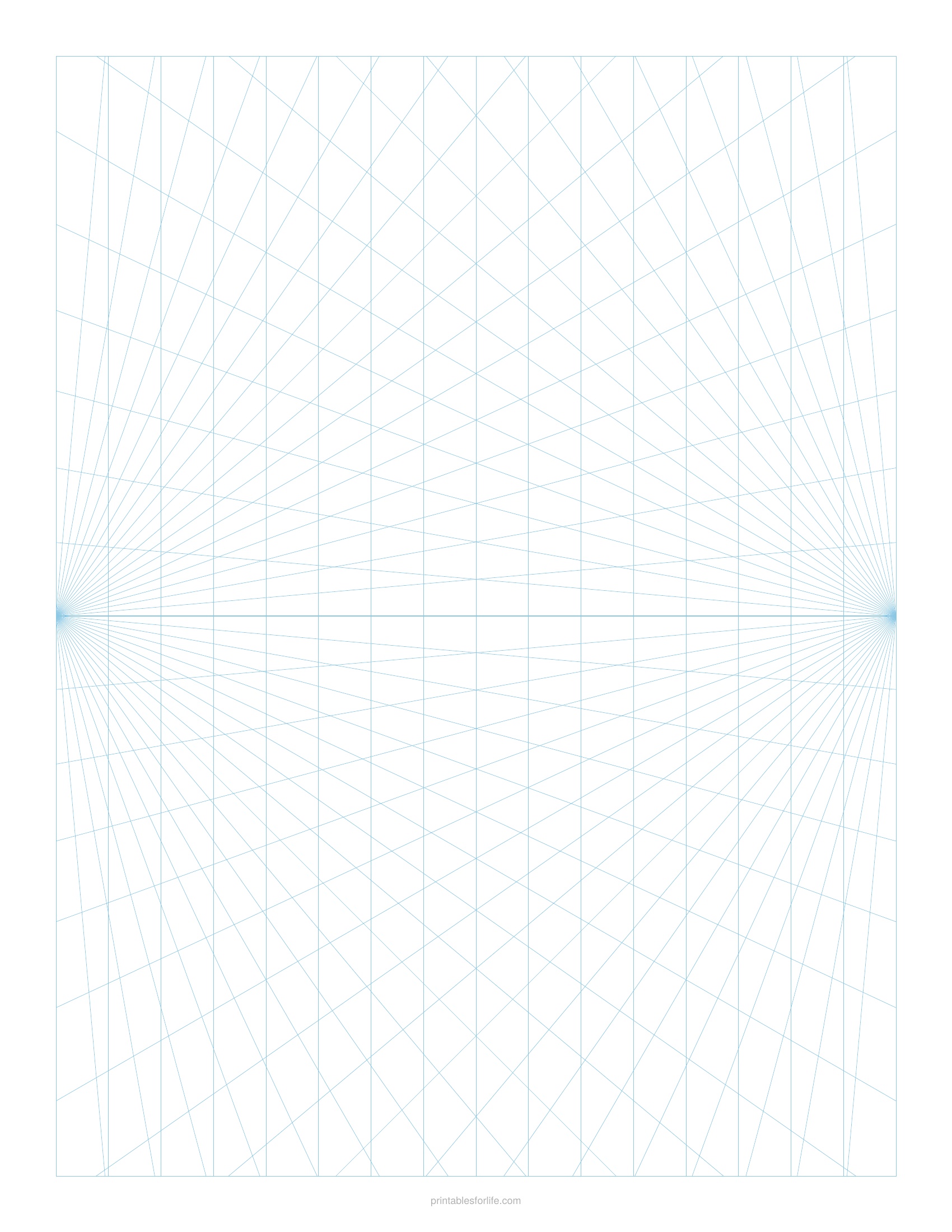
- Two point perspective grid — vanishing points at the left and right edges, verticals staying vertical
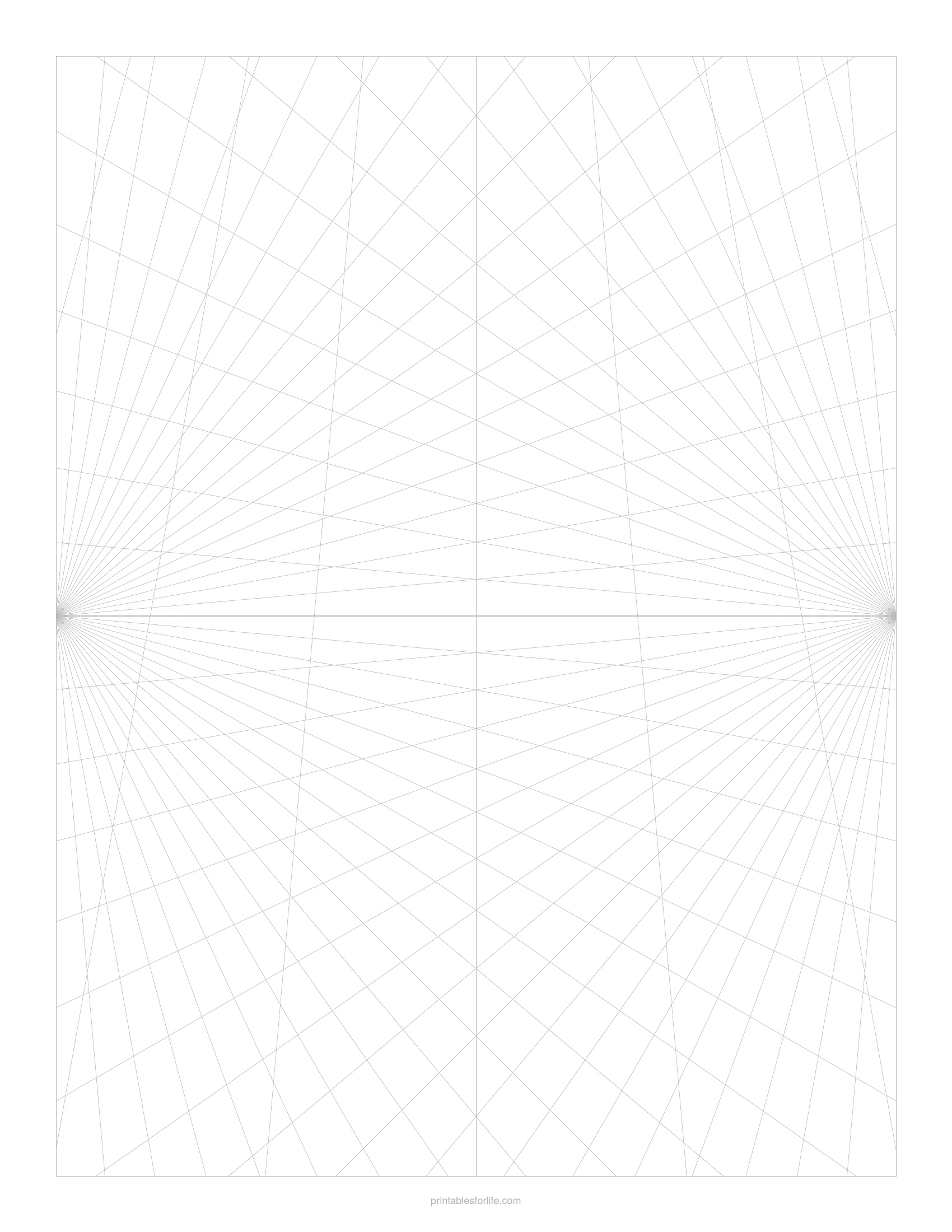
- Three point perspective grid — both horizon vanishing points plus a third above the page
- Each in light grey or light blue
- US Letter, print-ready PDF, no watermark on the grid
Which grid do I need?
One point — use it when you’re looking straight down something. A hallway, a road, a train track, a room viewed from the doorway. One wall faces you square-on, and everything running away from you meets at a single point.

Two point — use it when you’re looking at a corner. A building from the street, a box on a table, a house from the front garden. Two walls angle away from you, each to its own vanishing point, and vertical edges stay perfectly vertical.

Three point — use it when you’re looking up (or down) at something tall. Add a third vanishing point above the page and the vertical edges lean toward each other as they rise, which is what makes skyscraper drawings feel dramatic.

If you’re starting out, work through them in that order. One point teaches you what a vanishing point does. Two point is what you’ll use most.
Get The Full Collection!
How to use a perspective grid
- The horizon line is your eye level. Not the ground, not the middle of the page. Whatever sits on the horizon is level with your eyes. Anything above it, you’re looking up at; anything below, you’re looking down at.
- Depth lines follow the rays. Any edge running away from you sits on one of the printed rays back to a vanishing point.
- Verticals stay vertical in one and two point. Only in three point do they converge.
- Widths and heights stay parallel to the page in one point. In two point, both sets of horizontal edges follow rays.
- Sketch lightly first. Block the whole shape in before committing to any line — the grid keeps the angles honest, but composition is still on you.
One point vs. two point perspective
The difference comes down to how you’re standing relative to the object.
Face a building straight on and you see one wall flat, with the sides running away from you. That’s one point: the flat wall keeps its true rectangular shape, and only the depth lines converge.
Step to the side so you’re looking at the corner, and now no wall faces you. Both walls angle away, each to its own vanishing point at opposite ends of the horizon. That’s two point, and it’s why it looks more natural — you rarely stand perfectly square to anything in real life.
The quick test: if you can see one face of an object without any distortion, you’re in one point. If you’re seeing a corner, you’re in two point.
Perspective drawing practice projects
Each of these fits on a single sheet and teaches something different:
- A hallway or corridor (one point) — the classic starting exercise. Draw the far wall as a rectangle, then run the floor, ceiling, and side walls back to the vanishing point.
- A room interior (one point) — same idea, then add furniture as boxes sitting on the floor lines. Getting a bed or table to sit correctly is where perspective starts to click.
- A house from the corner (two point) — two walls, two vanishing points, a roof that follows both. The step that separates beginners from people who can actually draw buildings.
- A city street (two point) — a row of buildings sharing the same two vanishing points. Repetitive, but that’s exactly what teaches consistency.
- A tall building from below (three point) — look up. The verticals lean together as they climb, and the drawing suddenly has drama in it.
- Stacked boxes (any) — the best warm-up there is. Boxes are just perspective with nothing to hide behind.
Ideal for
- Art students learning perspective for the first time
- Teachers running a perspective unit and printing class sets
- Architects and designers doing quick concept sketches
- Illustrators blocking out backgrounds before rendering
- Anyone practising environment and interior drawing
Tips for better perspective drawings
Keep the horizon low for drama, high for overview. A low horizon makes buildings loom; a high one turns the scene into a map.
Vanishing points can sit off the page. These grids place them at the edges, which suits most subjects. If a wall is angling only slightly, its vanishing point would in reality sit well past the paper — the printed rays nearest the edge are the closest usable approximation.
Not everything obeys the grid. Curves, organic shapes, and anything rotated off-axis won’t follow the rays. Use the grid to establish the space, then draw those by eye inside it.
Print at actual size, not “fit to page” — scaling shifts the vanishing points and skews every angle on the sheet.
See More In:
Printable Graph Paper — Free PDF (1/4″, 1/5″, 1/8″, 1cm, 5mm)

14 Free Printable Square Templates PDF Download

15 Free Circle Template Printables PDF Download
Free Printable Color Flashcards
Free Printable Shapes Flashcards (2D Shapes)
Free Printable Math Symbol Flashcards
Free Printable Skip Counting Flashcards
Free Printable Negative Number Flashcards
Every graph paper style in one place
- Printable graph paper — the full hub, every grid size and style
- Isometric graph paper for 3D drawing without perspective distortion
- Dot paper for sketching and layout work
- Hexagonal graph paper for maps, chemistry, and quilting
- Polar graph paper for trig and circular graphing
- Large grid graph paper for big, bold squares
- Graph paper with numbers for coordinate plotting
- Circle dot graph paper for pattern and craft work
- Flower of life graph paper for geometric art
Download the free printable perspective drawing grid PDF
📐 One point, two point, and three point, in light grey or light blue. Print at home.
You Might Also Like
50+ Free Comic Strip Template Printable PDF (3 to 10 Panels)
14 Free Storyboard Template Printables (PDF Download)
Free Blank US Map Printable PDF: Plus 50 States, Regions & Quiz Pages

Printable Lined Paper | Free PDF (Wide, College & Narrow Ruled)
Printable Graph Paper — Free PDF (1/4″, 1/5″, 1/8″, 1cm, 5mm)
14 Free Printable Square Templates PDF Download
15 Free Circle Template Printables PDF Download
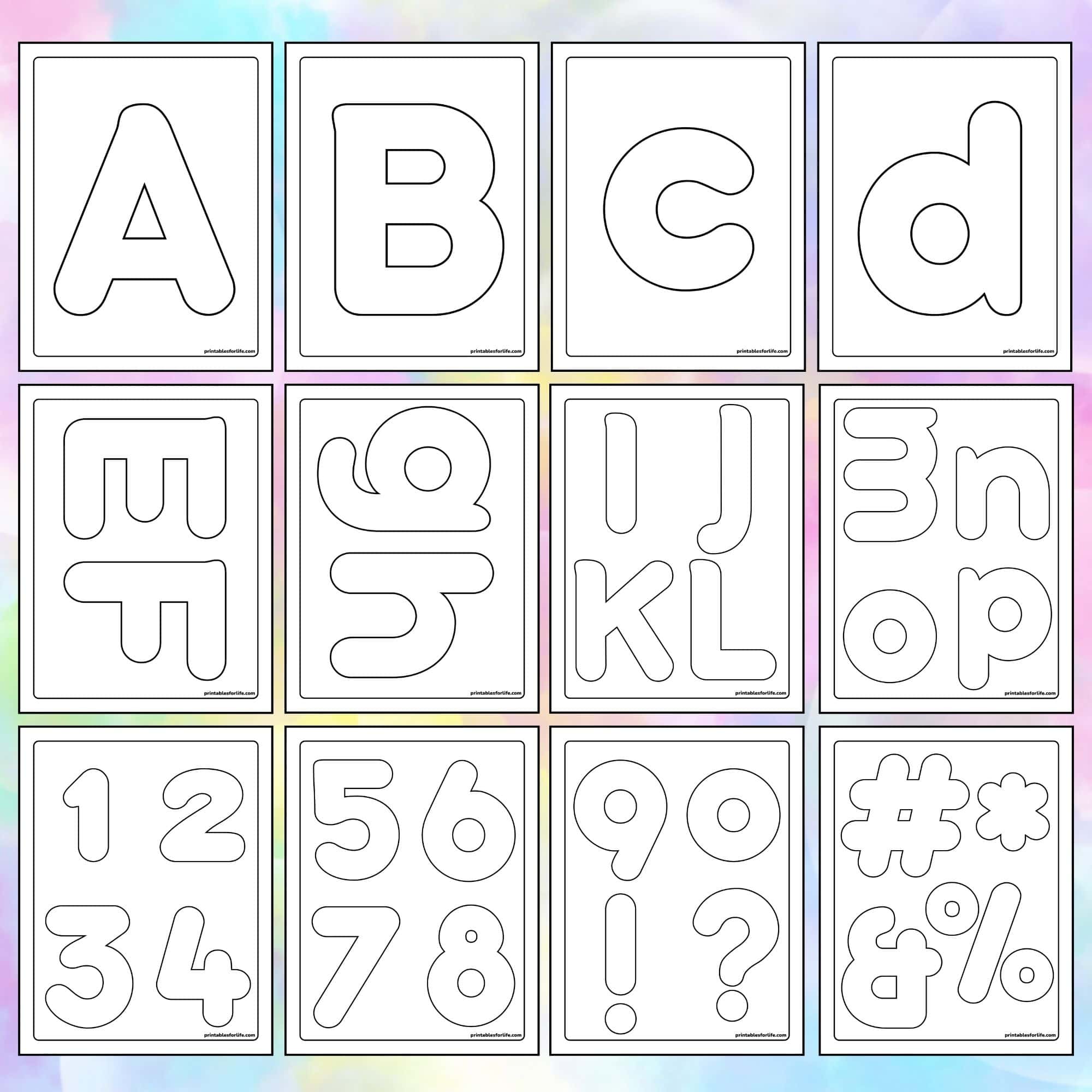
Free Printable Bubble Letters & Numbers PDF
This free printable gives you a clean way to practice perspective, tracing, and geometry in one place. If you want more layouts to try, browse more blank paper ideas.
🦀 Summer Coloring 🏖️
From our sister site colorandtrace.com
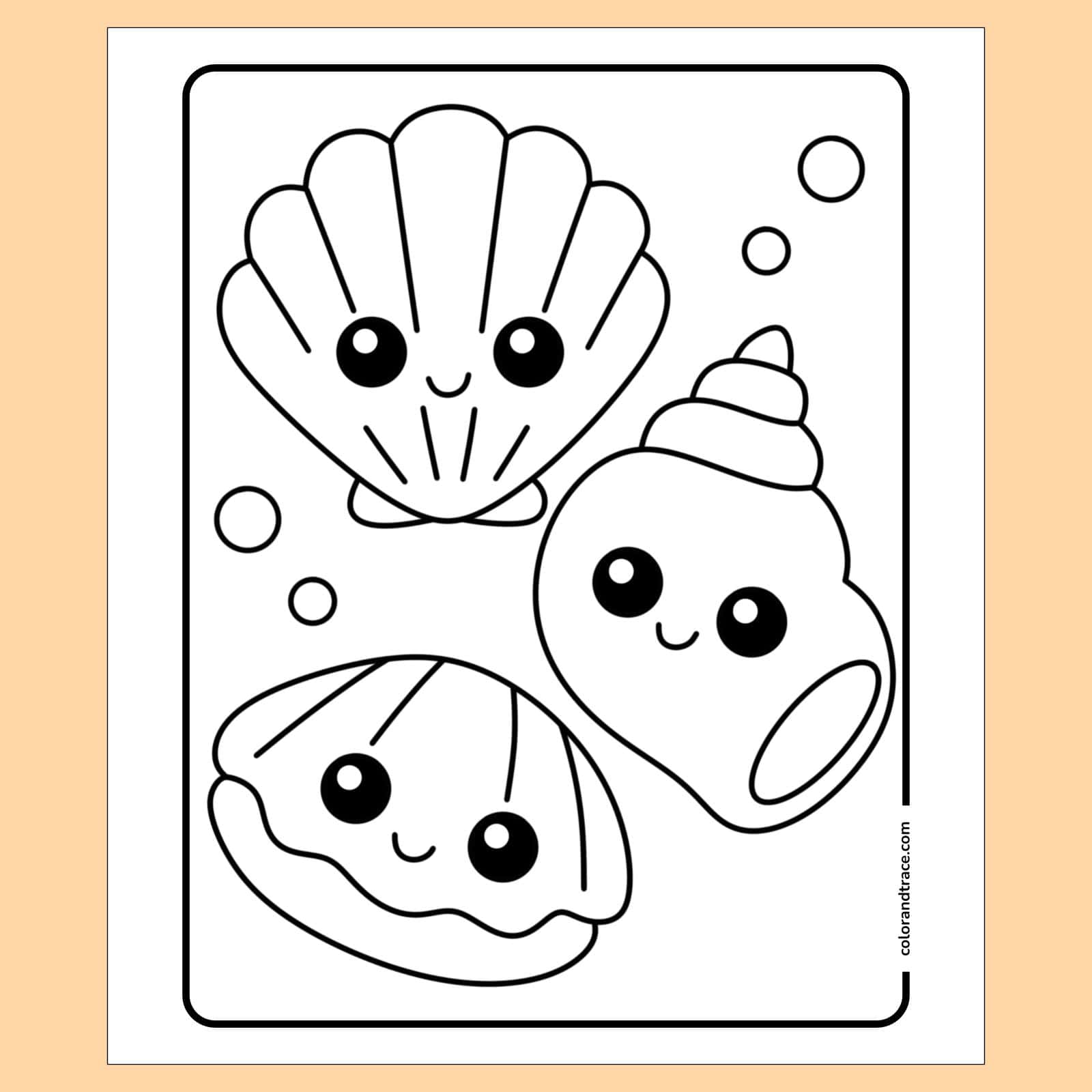
Seashells Coloring Page
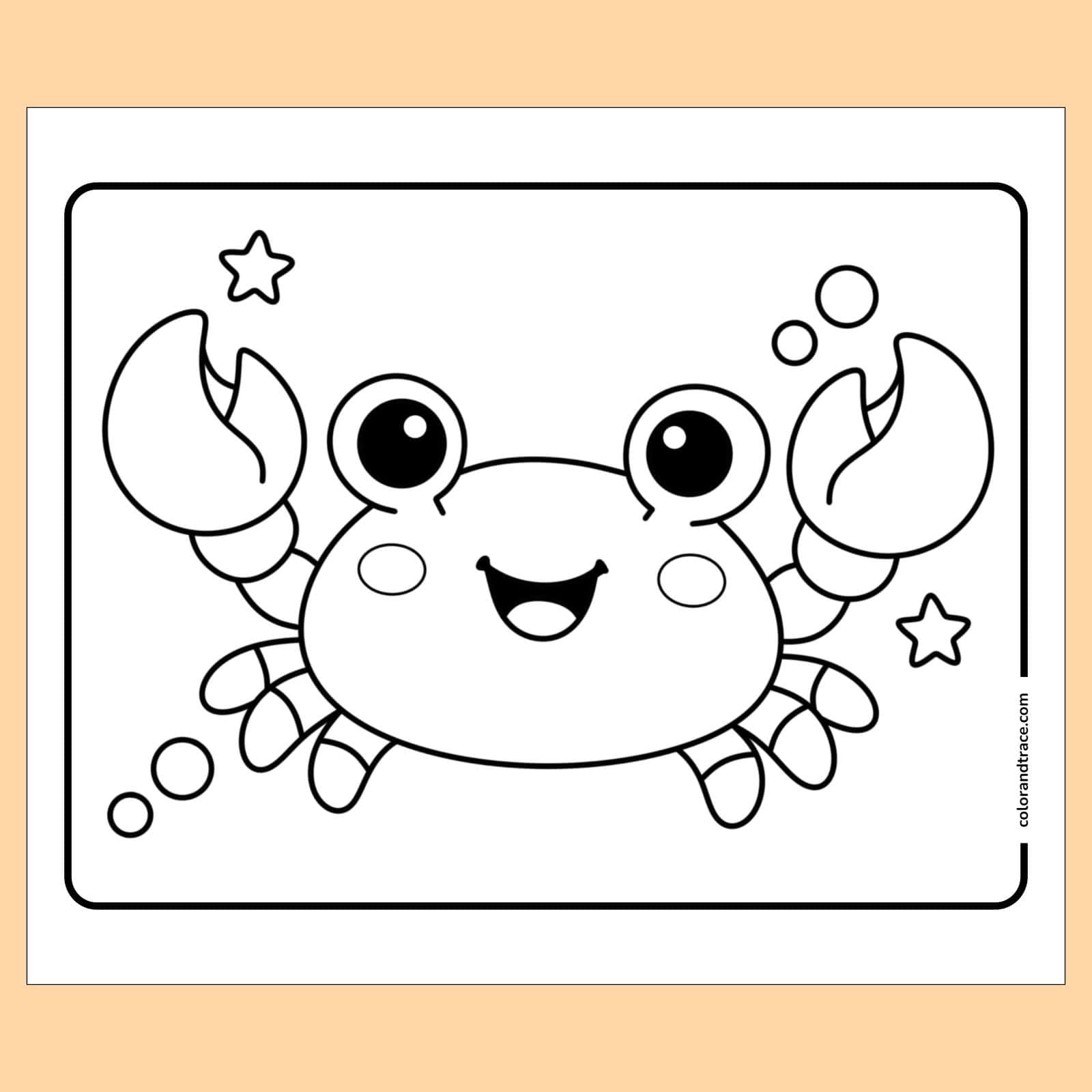
Crab Coloring Page