
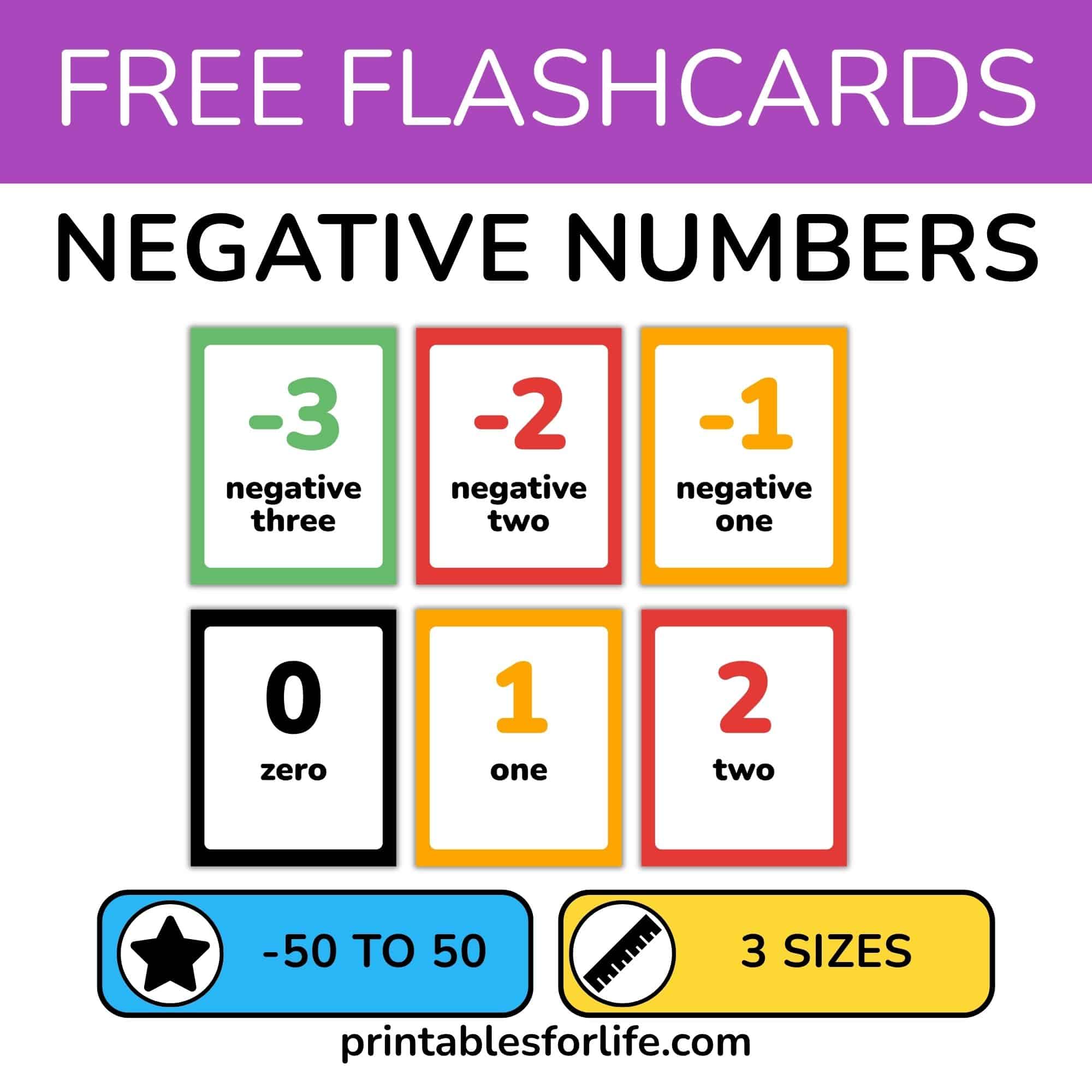
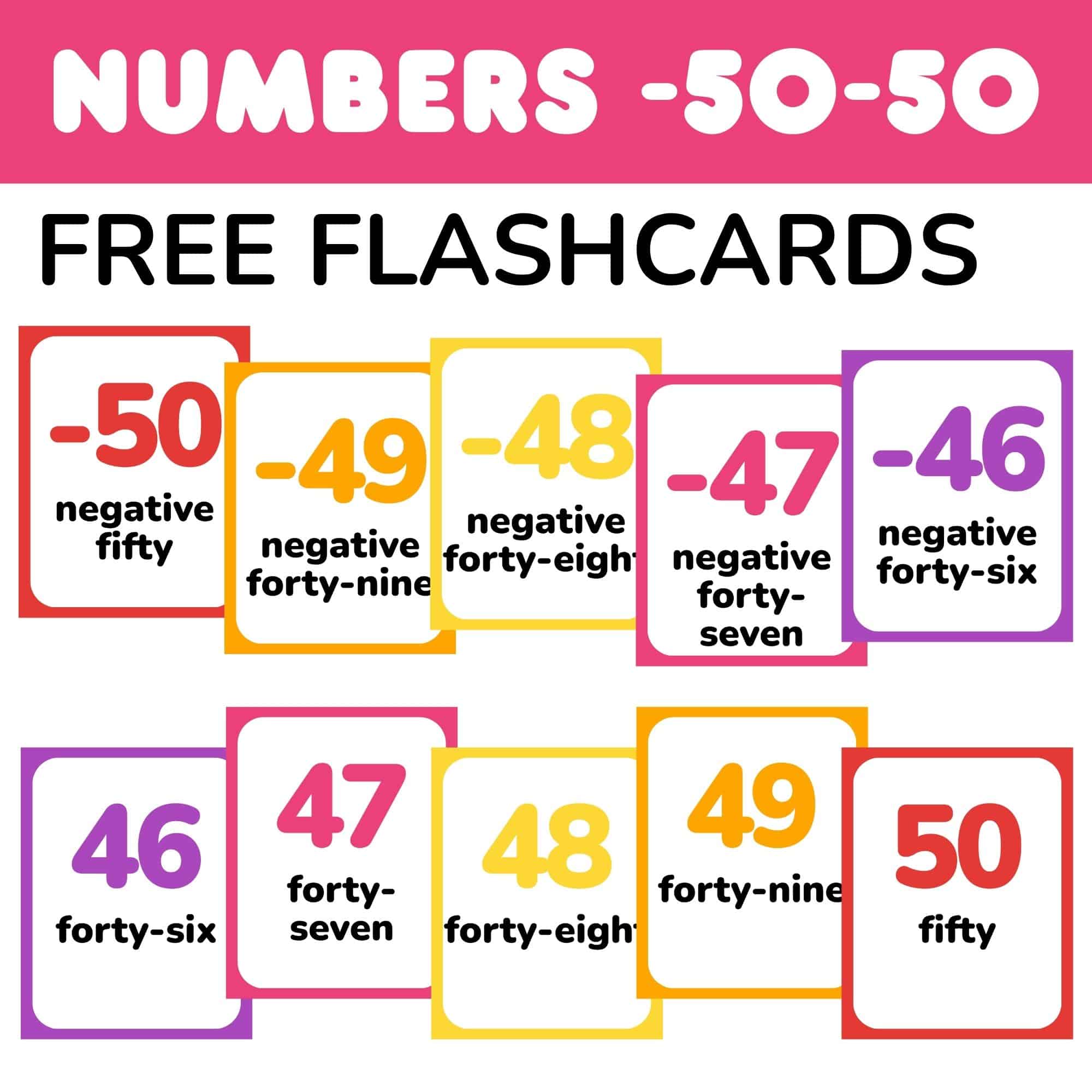
Negative numbers don’t have to be confusing, these free printable negative number flashcards cover -50 through 50, giving students cards for both sides of zero.
Use them for number line work, integer ordering, temperature discussions, financial math, and any lesson where students need to visualize numbers below zero.
These work best alongside the number flashcards 0–100 for a full number line spanning both positive and negative values. Pair with the math symbol flashcards for integer comparison practice.
Teaching Negative Numbers Ideas and Activities
These cards make abstract integer concepts tangible through physical ordering and real-world context:
- Number line building: lay all the cards in order across the floor to build a physical −50 to 50 number line — students can walk it, jump to a called number, or identify what’s 10 more or less than where they’re standing. The physical distance between cards makes the magnitude of integers visible
- Temperature context: show a negative number card and ask: if this is the temperature in Celsius, what should you wear? Connect to weather reports, maps of winter temperatures, or science units on climate. Real-world temperature is one of the most intuitive contexts for “less than zero”
- Opposites exploration: pick any positive number card and find its matching negative (e.g., 12 and −12) — discuss what “opposites” means: same distance from zero, different direction. This is the informal foundation for absolute value
- Order and compare: shuffle a handful of cards (mix of positive and negative) and have students put them in order from least to greatest. The key challenge — that −10 is less than −2 — is counterintuitive and becomes much clearer when handled as physical cards to arrange
- Integer operations: lay out a card for a starting number, then count cards up or down to model addition and subtraction with integers. Physical movement across cards makes the direction of integer operations visible in a way that number line drawings on paper often don’t
- Absolute value introduction: pick any card and ask “how far is this from zero?” Do it for both a positive and its negative partner — students often discover on their own that −7 and 7 are the same distance from zero, arriving at the definition of absolute value through exploration
- Elevation and depth context: use the cards alongside a simple diagram of sea level — positive numbers represent elevation above sea level (mountains), negative numbers represent depth (ocean floor, underground). A strong alternative context for students who don’t connect as readily to temperature
You Might Also Like:

FREE Printable Calendar Numbers 1-31
Free Printable Play Money PDF | For Kids, Classroom & Board Games

Sky Plane Grass Worm Paper: Free Printable Handwriting Paper K-2
Print Options and Sizes
- Full page (1 per page): best for bulletin boards, classroom displays, and circle time anchor charts students can see from across the room
- Half page (2 per page): ideal for homeschool binders, learning centers, and early learners who need larger cards for handling and reading
- Quarter page (4 per page): great for individual student sets, hands-on activities, and paper-saving when you need multiple copies
Who These Are For
- 4th through 6th graders being introduced to negative numbers and the integer number line for the first time, and 7th graders reviewing integer operations before moving into algebra
- 3rd grade advanced learners ready for enrichment beyond the standard whole-number range — negative numbers are accessible conceptually well before the formal curriculum introduces them
- In the classroom: Negative numbers are notoriously abstract for elementary and middle school students. A physical floor-level number line — tape a line of cards across the floor — makes the direction and distance of negative numbers tangible in a way that a number line drawn on paper doesn’t. Use the temperature and elevation contexts to ground the concept in situations students have encountered in real life before the formal definition.
- In homeschool: Start with a small range (−10 to 10) and focus on ordering and comparing before introducing operations. The physical cards are especially useful for students who struggle with the abstract leap that “less than zero” represents — holding the card, placing it on a number line, and walking the sequence builds intuition that explanations alone don’t.
See More In:
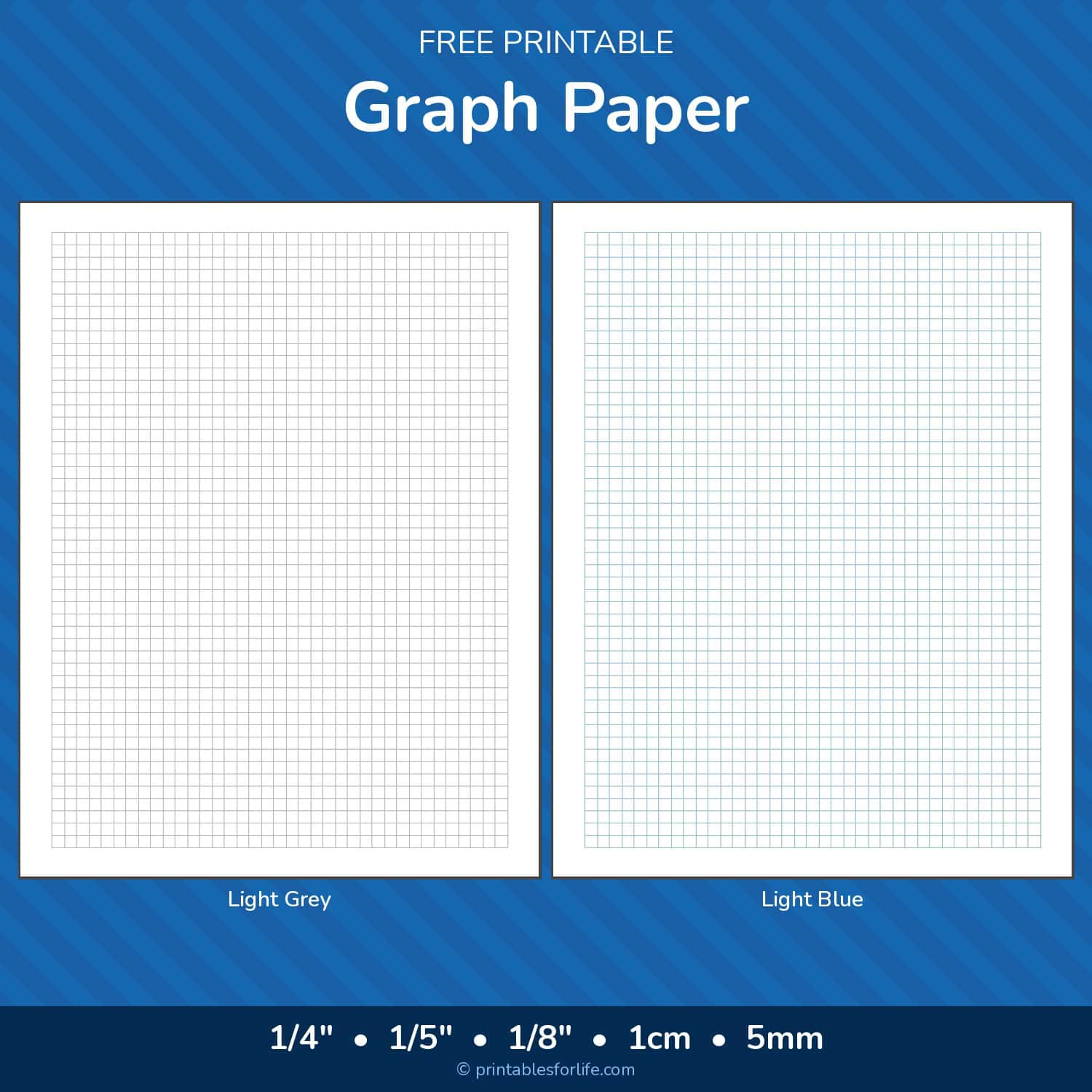
Printable Graph Paper — Free PDF (1/4″, 1/5″, 1/8″, 1cm, 5mm)

14 Free Printable Square Templates PDF Download

15 Free Circle Template Printables PDF Download
Free Printable Bubble Letters & Numbers PDF
Free Printable Color Flashcards
Free Printable Shapes Flashcards (2D Shapes)
Free Printable Math Symbol Flashcards
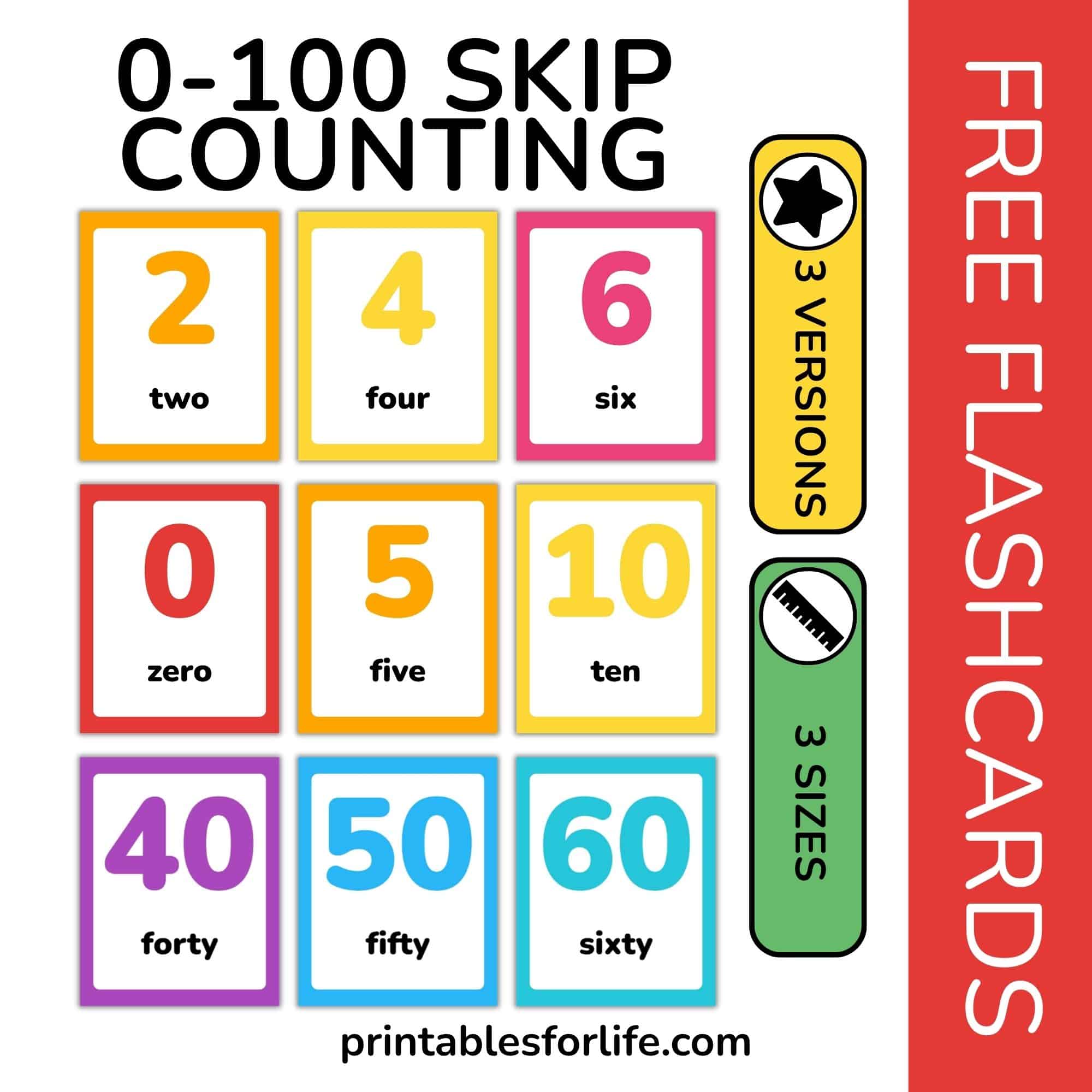
Free Printable Skip Counting Flashcards
More Number Flashcard Sets
- Number Flashcards 0–10: numeral and word cards for early counting, number recognition, and number sense
- Number Flashcards 0–20: extends through teen numbers, ideal for kindergarten and first grade
- Number Flashcards 0–100: full hundreds range for place value, skip counting, and sequencing
- Skip Counting Flashcards: by 2s, 5s, and 10s for building multiplication foundations
- Math Symbol Flashcards: operation signs and math symbols for reading and writing equations
You Might Also Like
Education • Free Printable Flashcards for Teachers & Parents PDF
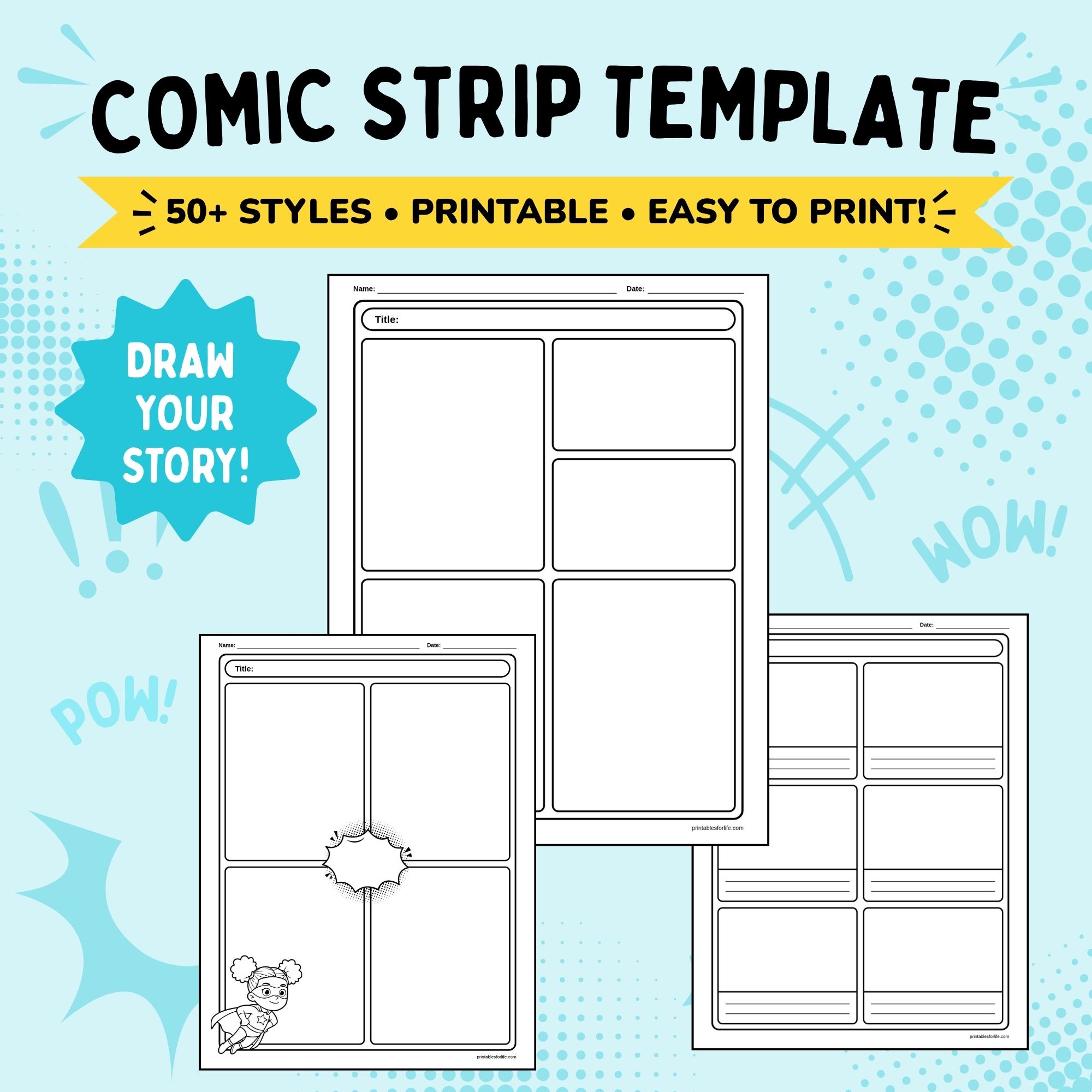
50+ Free Comic Strip Template Printable PDF (3 to 10 Panels)
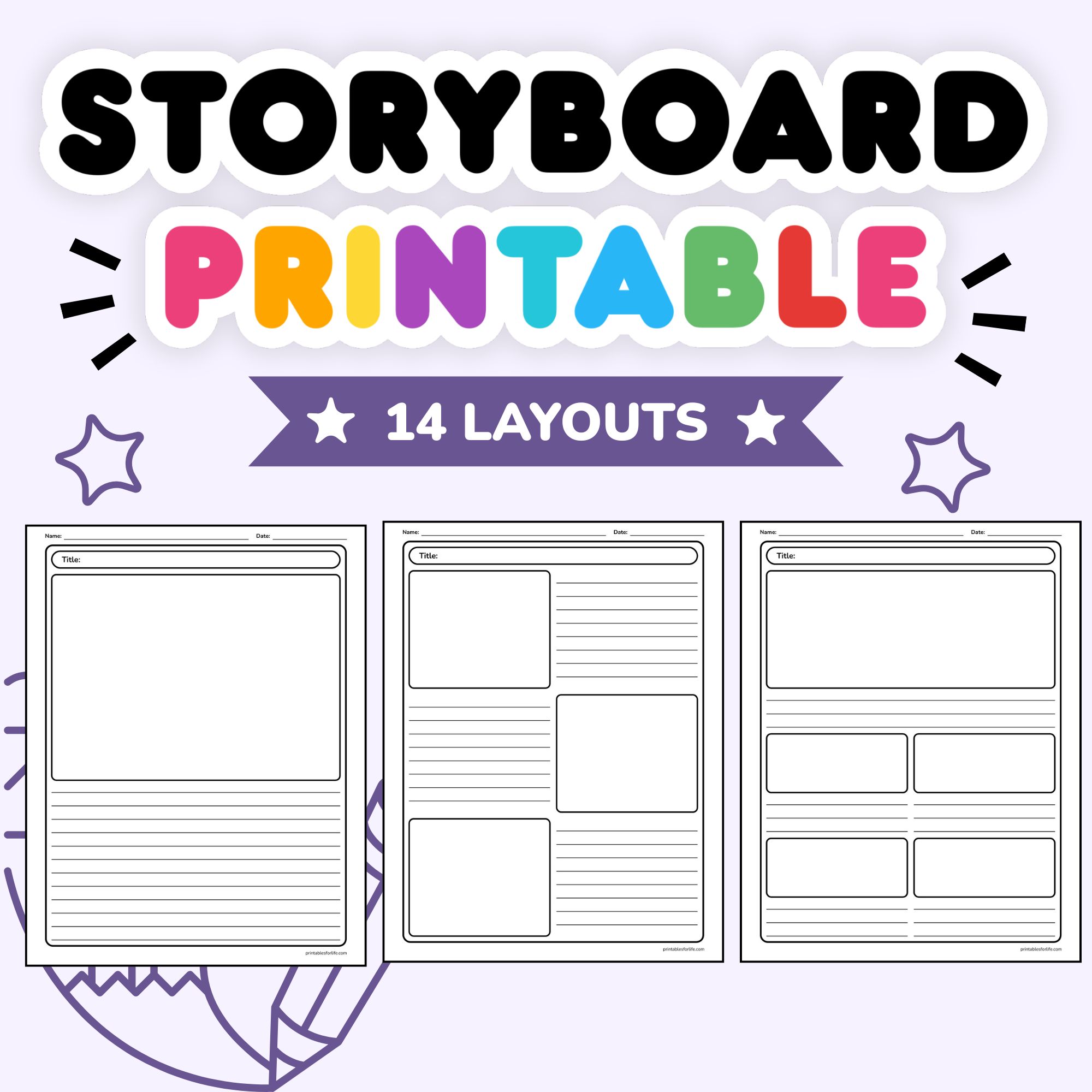
14 Free Storyboard Template Printables (PDF Download)
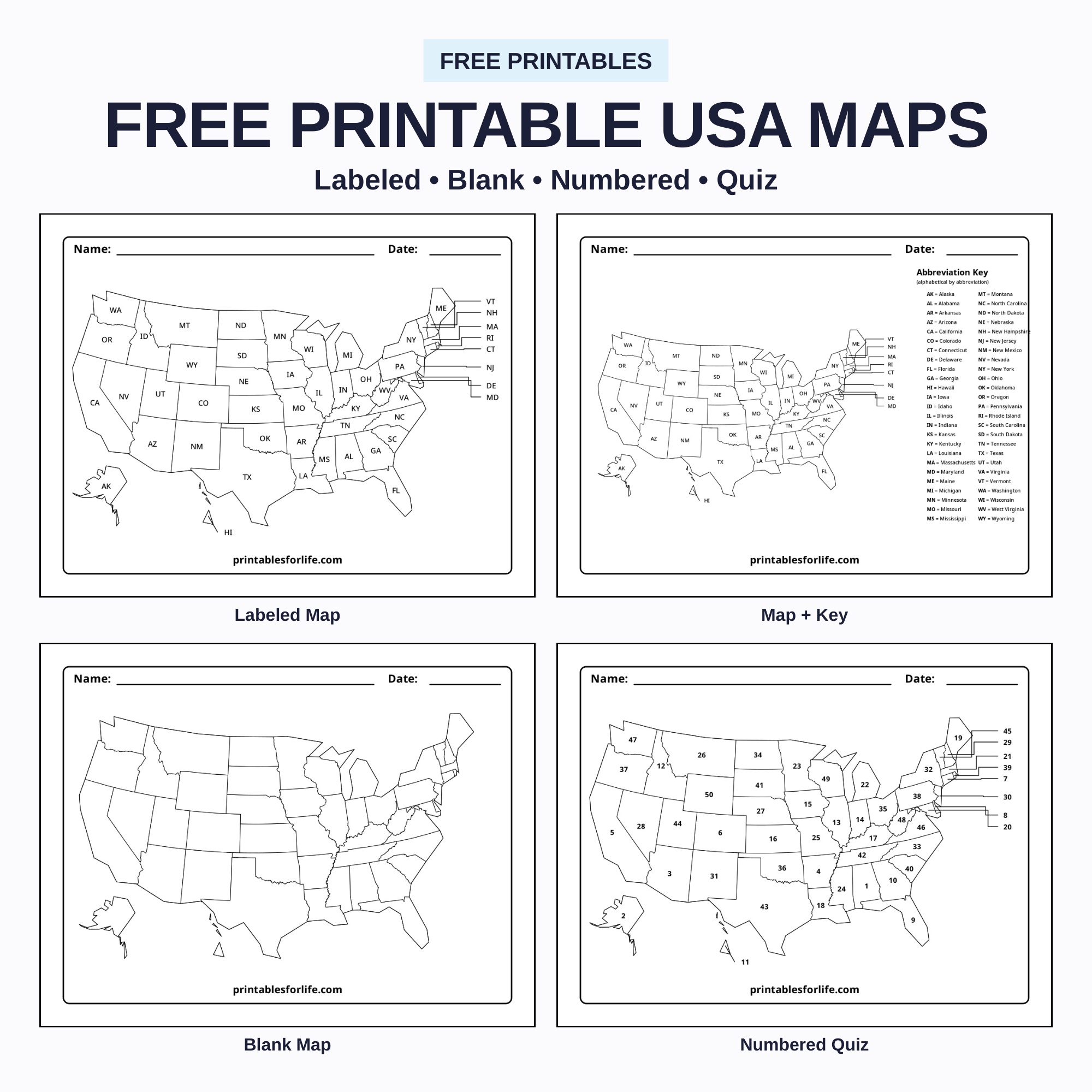
Free Blank US Map Printable PDF: Plus 50 States, Regions & Quiz Pages

Printable Lined Paper | Free PDF (Wide, College & Narrow Ruled)
Free Halloween Flashcards Printable PDF (With and Without Words!)
Free Thanksgiving Flashcards Printable PDF (+ Realistic Pictures)
Printable Graph Paper — Free PDF (1/4″, 1/5″, 1/8″, 1cm, 5mm)
14 Free Printable Square Templates PDF Download
More Free Printables
- Printable Play Money: real-world math practice that pairs naturally with number skills
- Printable Calendar Numbers: for daily calendar routines and counting practice
- 4-Week Calendar: for scheduling and time concepts alongside number fluency
- Alphabet Flashcards: pairs for a complete early learning center
THE BEES ARE BUZZING
☀️ Summer is Here! 🌴
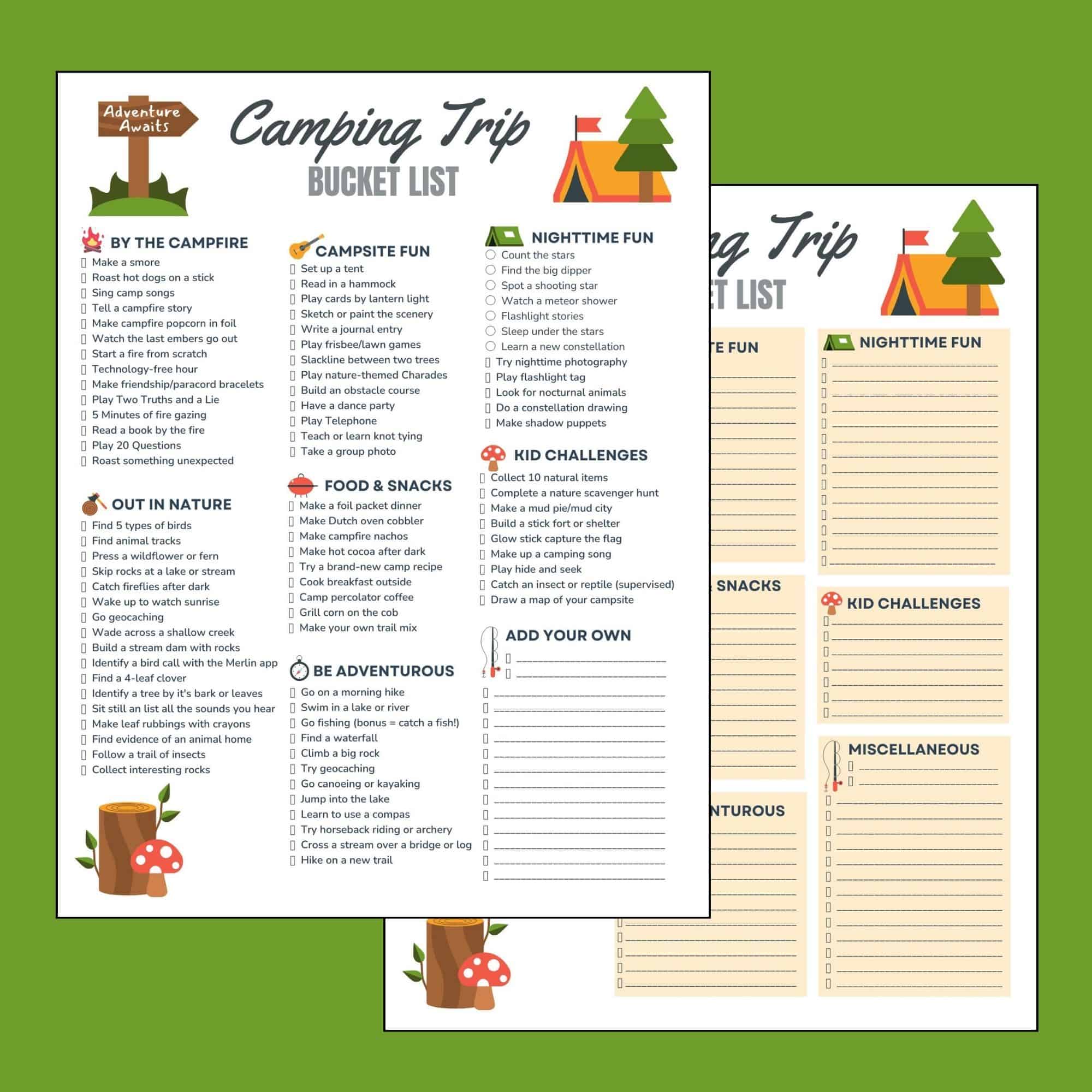
Free Camping Bucket List (50 Fun Ideas for Families)
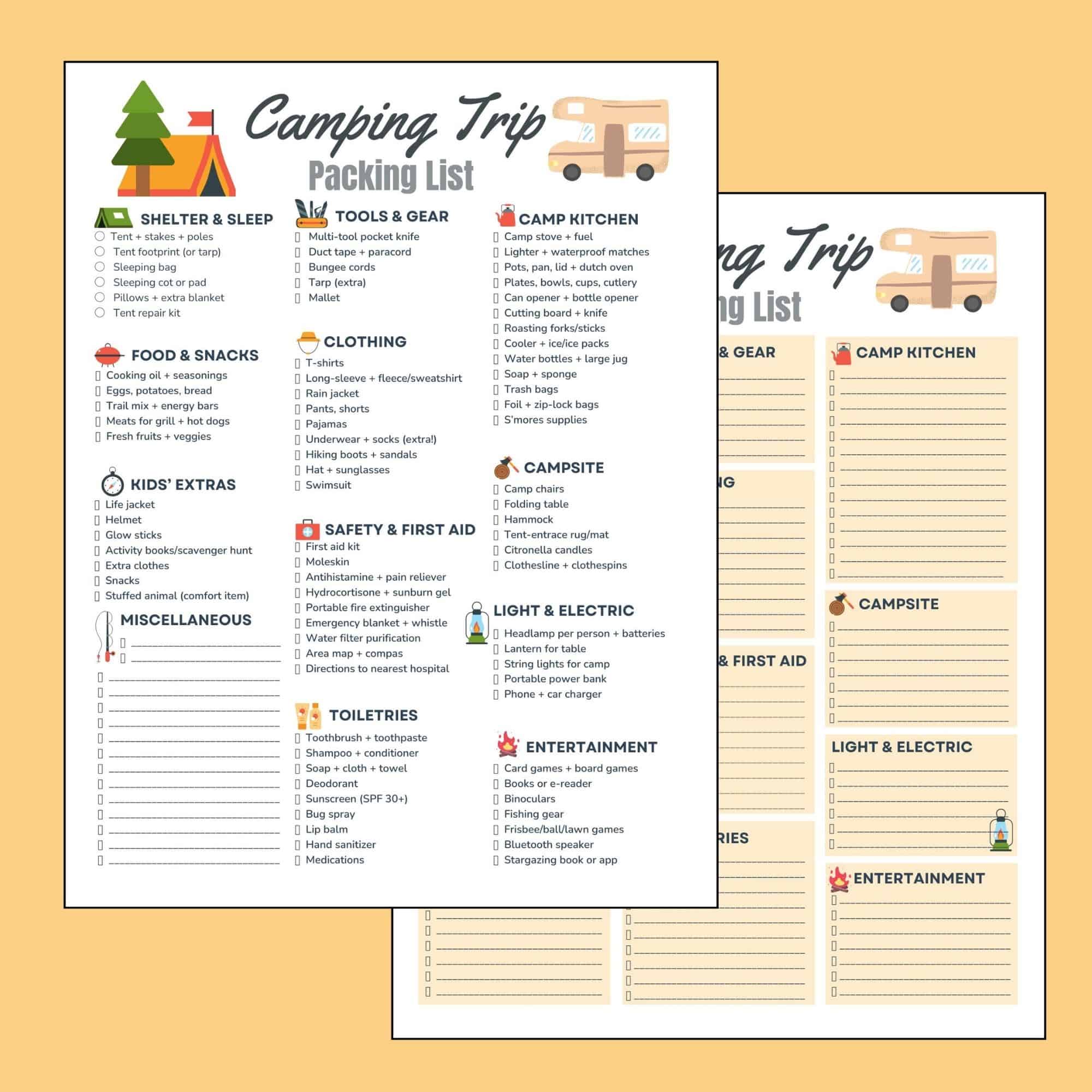
Ultimate Camping Packing List: Printable Checklist

Free Printable Summer Routine Checklist for Kids (Morning, Afternoon & Evening)
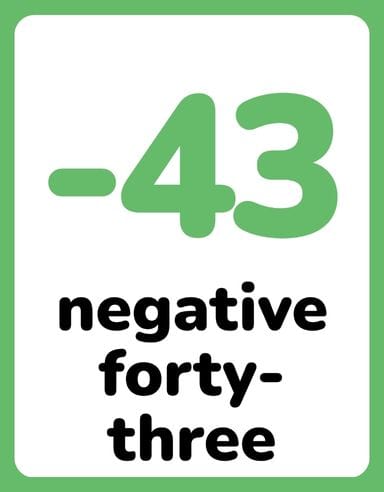
Negative Number Flashcards -50 to 50
Cards covering integers from -50 to positive 50, 101 cards total.
Great for: integer number lines, positive and negative number ordering, temperature and finance real-world connections, absolute value introduction, and 4th–6th grade math.


See all negative number cards cards ▼


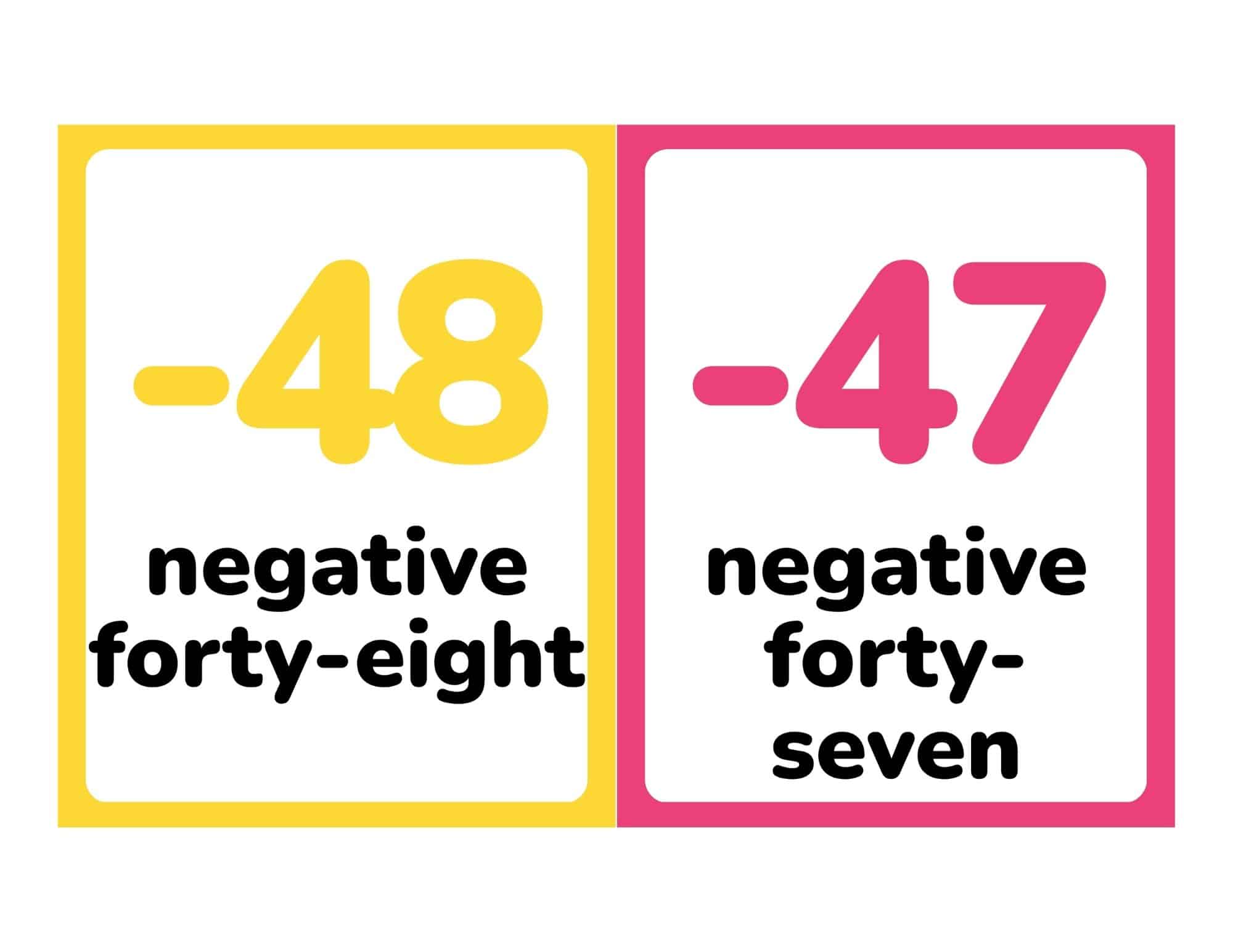
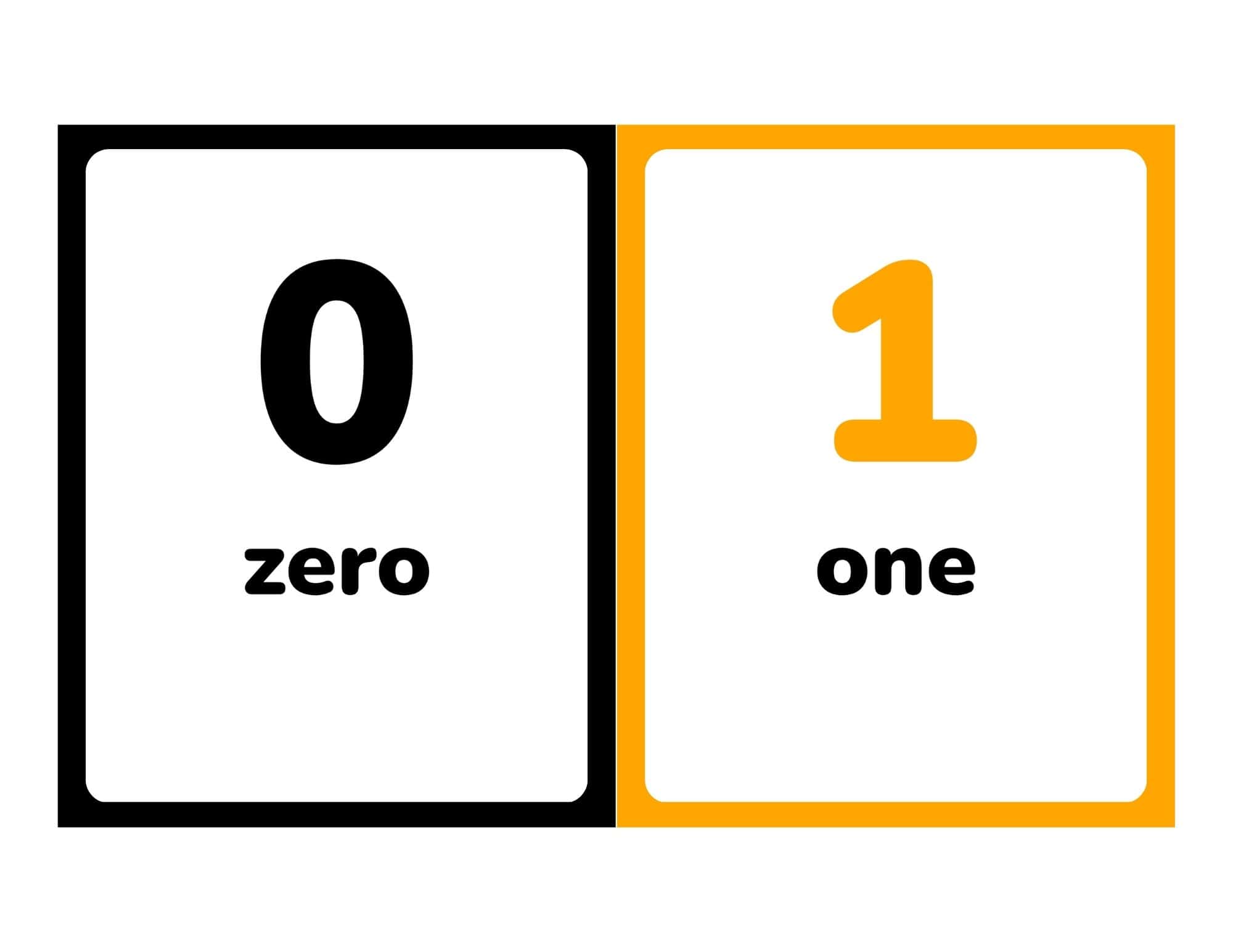
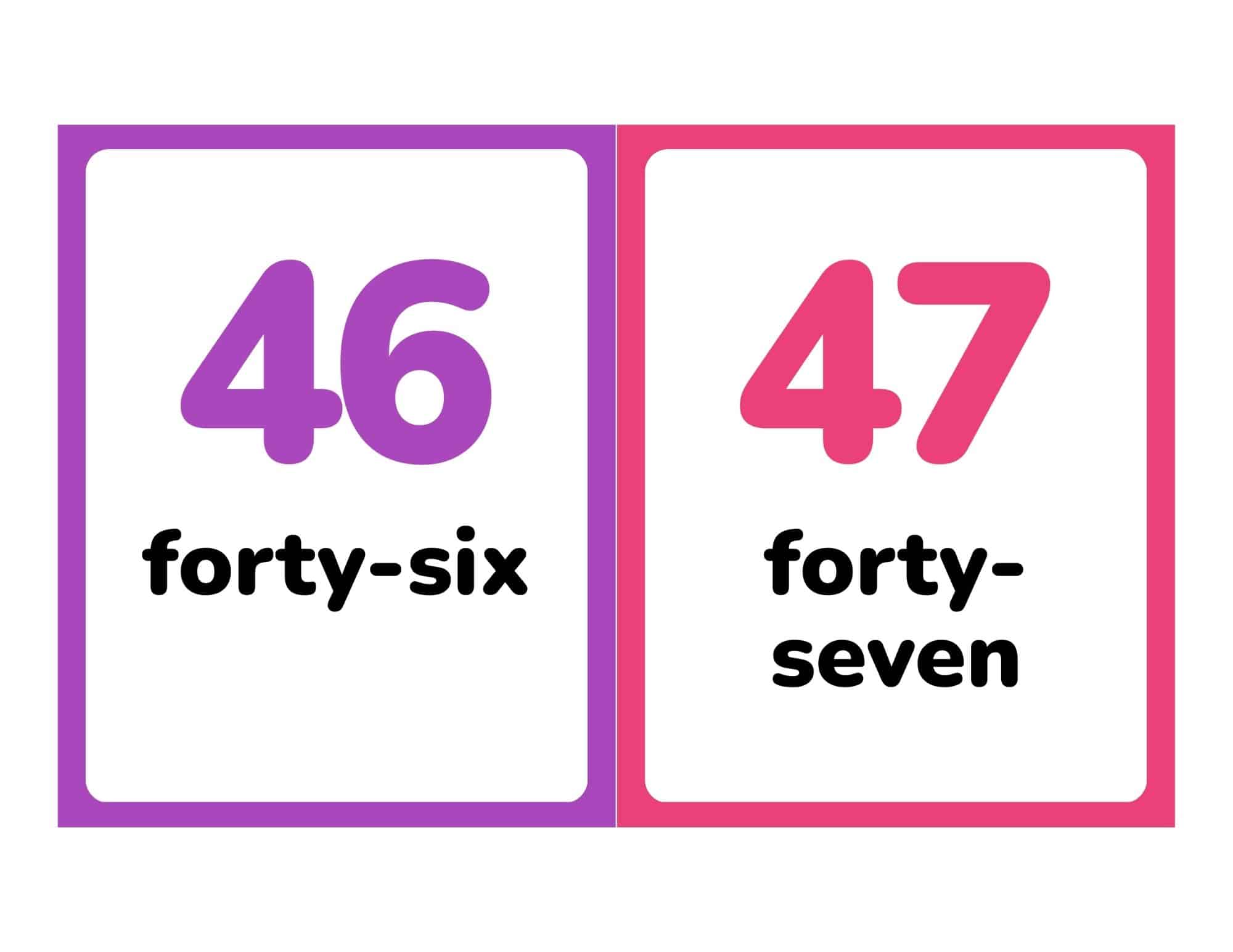
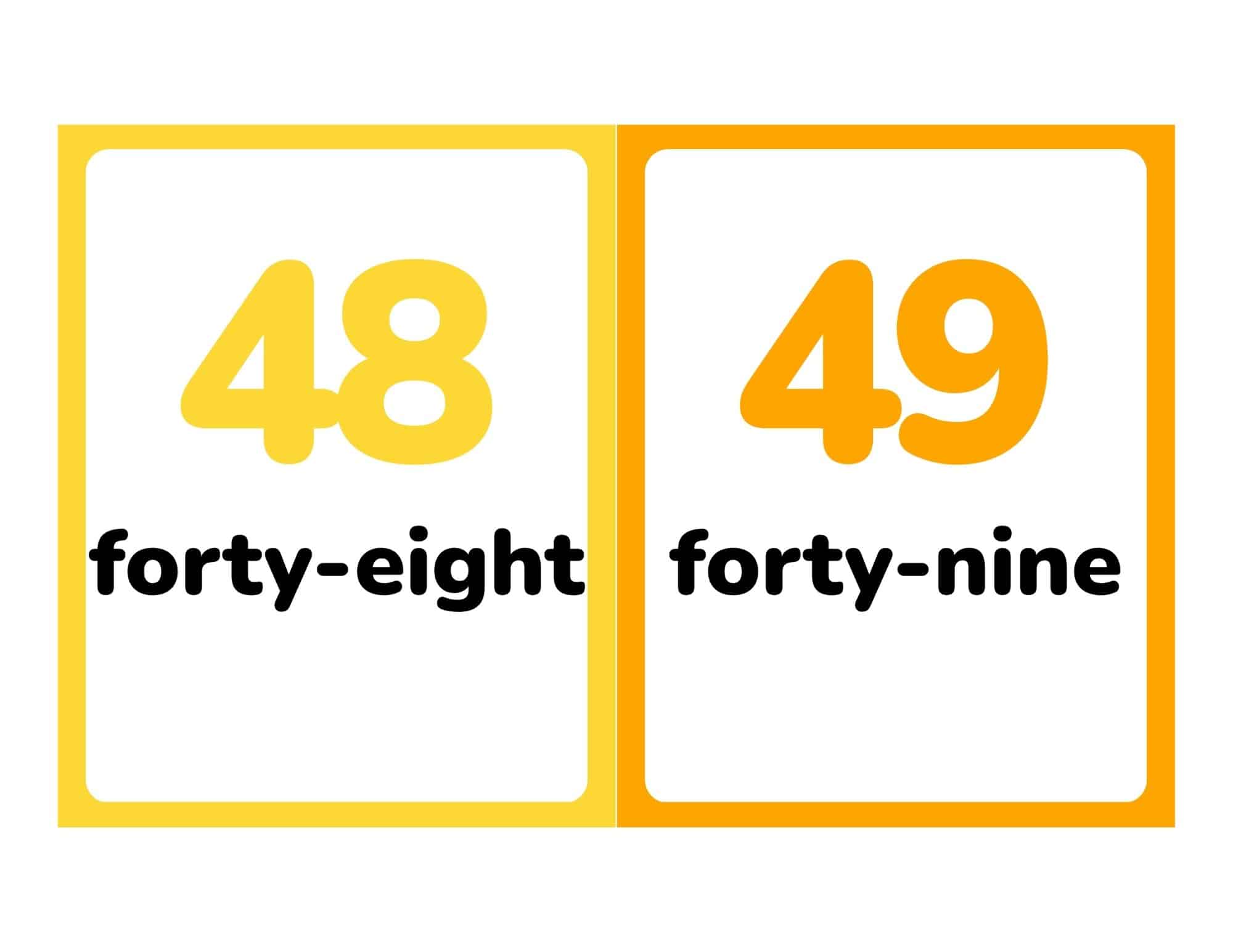
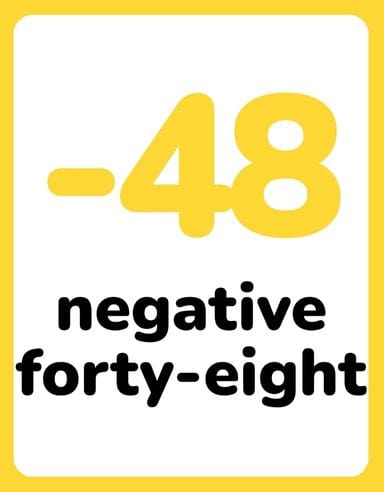
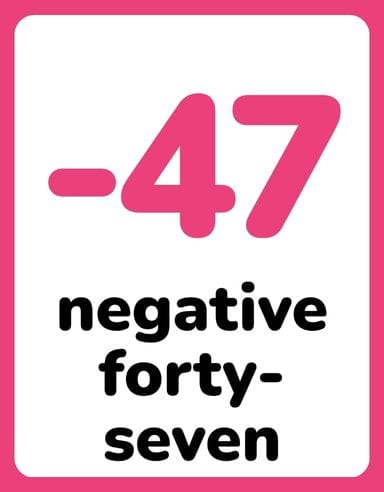
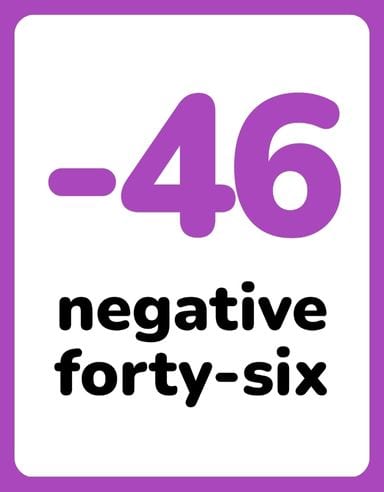
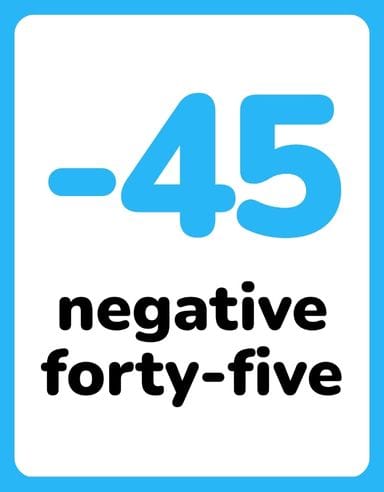
Download & Print
Print at home on standard 8.5″ × 11″ paper. No sign-up required, just click to download and print.
Frequently Asked Questions
What range of negative numbers is covered?
The set covers negative numbers from -50 to 50, allowing students to see and work with both negative and positive values on the same number line.
What grade level are negative number flashcards for?
Best for 3rd grade through 6th grade. Negative numbers are introduced in many curricula around 3rd–4th grade and become more central in 5th–6th grade math.
How can I use these in a classroom?
These work well for ordering and sequencing activities, for teaching the concept of a number line that extends in both directions, for comparing integers (which is greater, -7 or -3?), and for temperature, elevation, and other real-world negative number contexts.
Can I use these for a homeschool math lesson on integers?
Yes. Lay the cards out on the table in order to create a physical number line students can touch and move. This concrete representation of negative numbers is much more effective than a worksheet-only approach.
Are these free?
Yes, free to download and print with no account required.
What sizes can I print these flashcards?
These print on standard 8.5″ x 11″ paper in three sizes. Full page (1 per page) is best for bulletin boards and classroom displays. Half page (2 per page) works well for homeschool binders, learning centers, and early learners who need larger cards. Quarter page (4 per page) is the most paper-efficient option, great for individual student sets, hands-on activities, and games where you need multiple copies.
🦀 Summer Coloring 🏖️
From our sister site colorandtrace.com
Seashells Coloring Page
Crab Coloring Page