
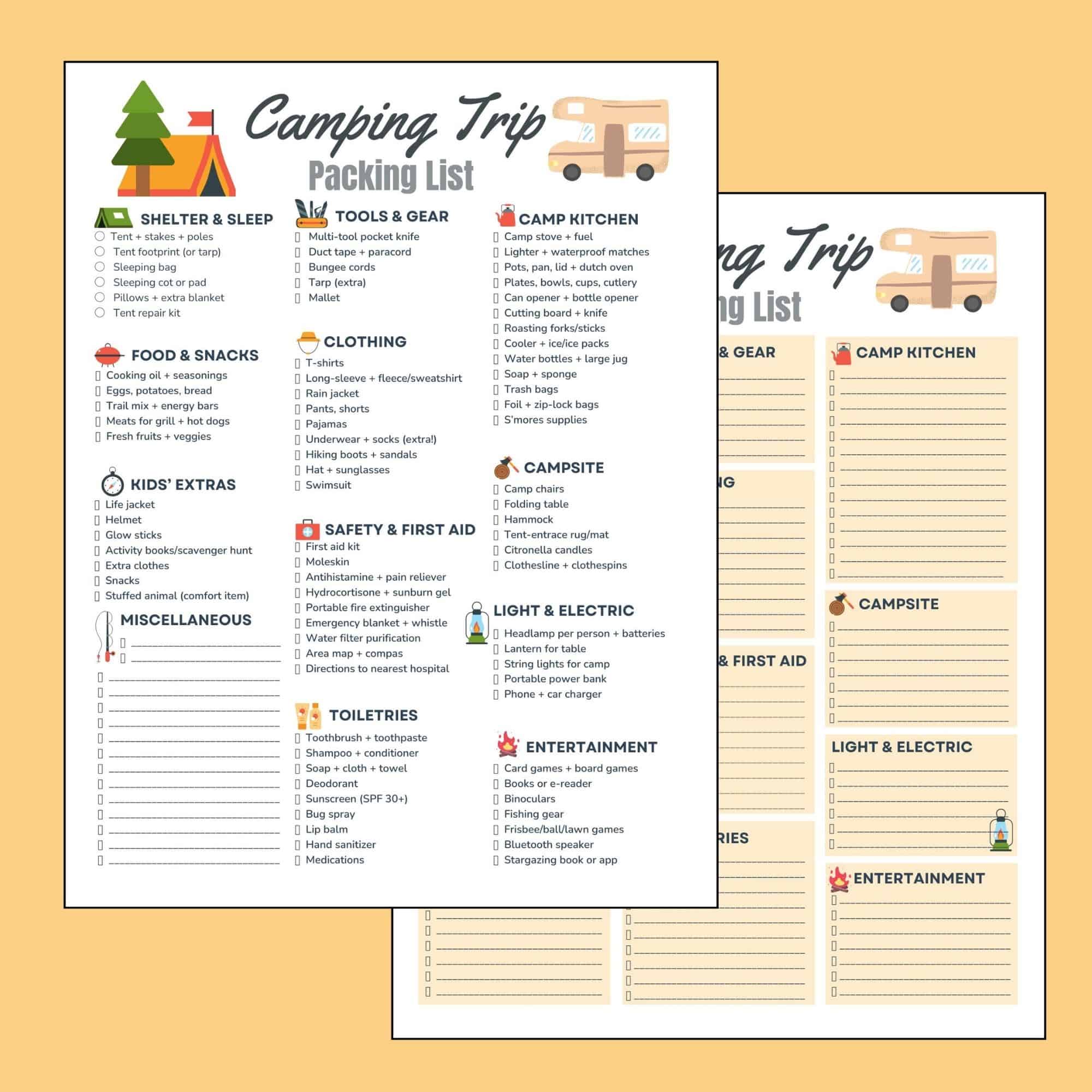
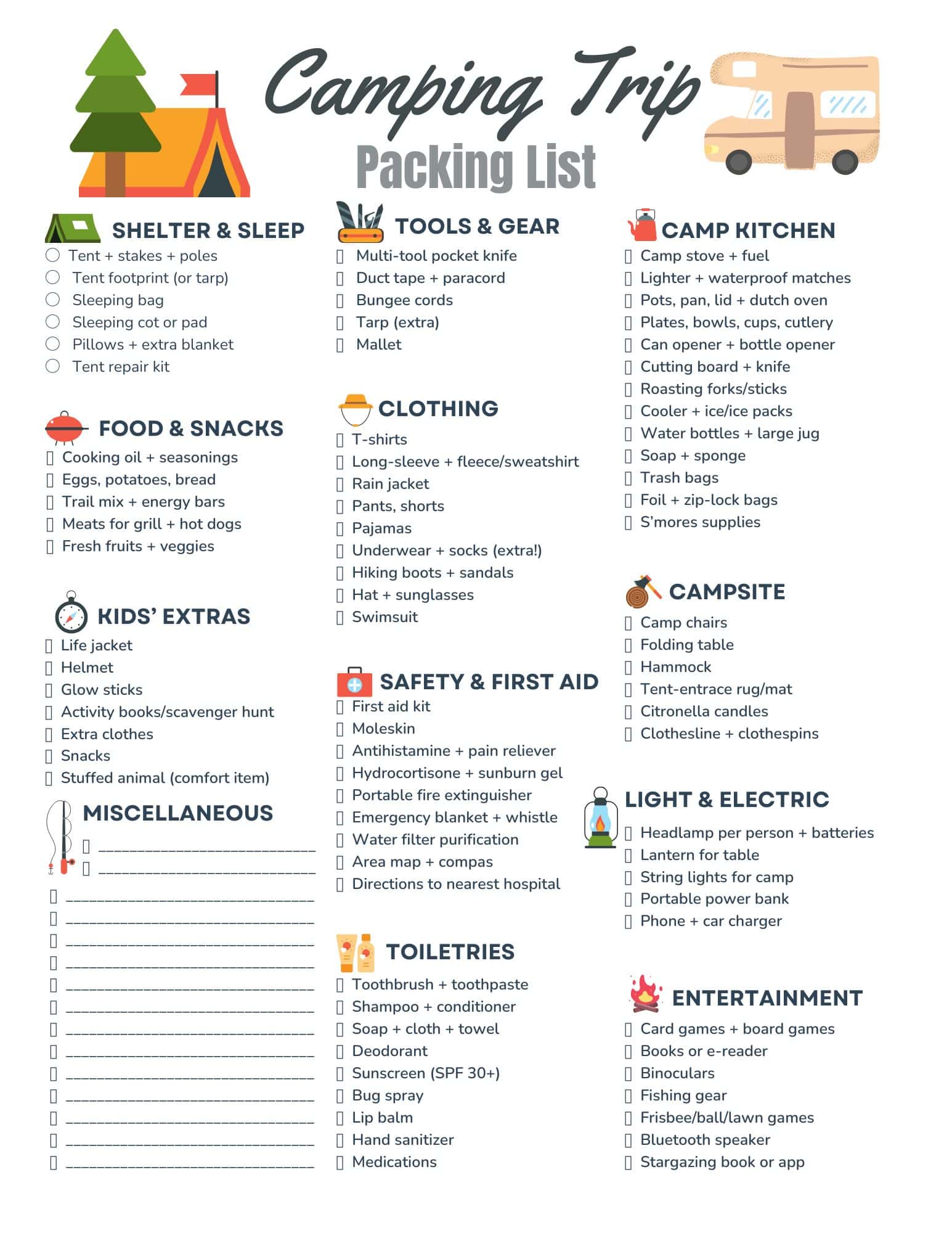
This free printable camping packing list organizes everything into 12 categories — shelter and sleep, food and snacks, tools and gear, clothing, safety and first aid, toiletries, camp kitchen, campsite, lighting and electronics, entertainment, kids’ extras, and a miscellaneous section for the items that don’t fit neatly anywhere else.
Download the blank version if you prefer to write in your own items, or grab the pre-filled version with more than 75 essentials already listed so you can just check and go. Both are instant PDF downloads — no email required.
Planning the full trip? Pair this with the Camping Countdown Calendar to build excitement in the weeks leading up to your trip, and use the Summer Planner to map out your camping dates alongside the rest of your summer schedule. If a beach trip is also on the agenda, the Beach Packing List has you covered there too.
What’s on the Camping Packing List
Here’s a look at what each section covers, with notes on what to prioritize and a few things that are easy to forget.
Sleeping & Shelter
Getting a good night of sleep in a tent depends almost entirely on what you bring for sleeping. The tent itself is obviously at the top of the list, but don’t forget to check that all the poles and stakes are inside the bag before you leave home — they have a way of disappearing into closet corners between trips. A sleeping pad or air mattress makes a bigger difference than most people expect: even in summer, sleeping directly on the ground pulls warmth out of your body fast.
- Tent + poles + stakes (check the bag — missing stakes are the #1 tent setup problem)
- Mallet or hammer to drive stakes into hard ground
- Tent footprint or tarp (protects the tent floor and keeps groundwater out)
- Sleeping bag rated for the expected overnight temperature
- Sleeping cot or sleeping pad (cots are more comfortable than air mattresses, easier to get up from, and let you slide bags underneath — worth trying if you haven’t)
- Pillows (or compact camping pillows to save space)
- Extra blanket or sleeping bag liner for cold nights
- Repair kit: extra stakes, tent pole repair sleeve, and duct tape
Camp Kitchen
Camp cooking can be genuinely enjoyable — foil packet meals, campfire nachos, hot cocoa after dark — but only if you’ve packed the right gear. A camp stove with an extra fuel canister is worth the space. If you’re cooking over a fire, you still need tools that can handle the heat. Keep a “camp kitchen bin” that lives in your garage between trips so you’re not hunting through cabinets every time you head out.
- Camp stove + fuel (propane canister or white gas, depending on your stove — the #1 most commonly forgotten item among experienced campers)
- Lighter and waterproof matches (pack both)
- Pots, pan, and lid
- Cast iron pan or Dutch oven (for campfire cooking and cobbler — worth the weight)
- Roasting forks or long sticks — one per person
- Coffee percolator or camp coffee pot
- Cooking utensils: spatula, tongs, long-handled spoon
- Plates, bowls, cups, and cutlery
- Can opener + bottle opener (the classic forgotten item)
- Cutting board + knife
- Cooler + ice or reusable ice packs
- Water bottles for everyone + a large water jug for camp use
- Biodegradable dish soap, sponge, and two collapsible wash buckets
- Trash bags + separate bag for recycling (bring more than you think you need — critters are drawn to unattended trash)
- Aluminum foil + zip-lock bags (so many uses)
- Paper towels, napkins, and bamboo skewers
- S’mores supplies: marshmallows, chocolate, graham crackers — don’t skip these
Food & Snacks
Most camping packing lists stop at kitchen equipment and forget to mention the actual food — which means you’re doing two separate planning passes anyway. Keep a small running grocery list alongside your gear list. A few categories worth planning around: high-protein options for active hiking days, fresh produce for the first night when the cooler is fully cold, and grab-and-go snacks that kids can self-serve without asking you to stop what you’re doing.
- Cooking oil + salt, pepper, and your go-to seasonings
- Eggs, potatoes, and bread (versatile for breakfast and dinner)
- Meats for the grill or fire: hot dogs, burgers, chicken, sausage
- Fresh fruits and vegetables for the first night or two
- Canned beans, soups, or chili for easy nights
- Trail mix, energy bars, and beef jerky for hikes
- Chips, pretzels, or salty snacks for around camp
- Nut butter + jelly + a loaf of bread (sandwiches save the day more than once)
- Cereal or granola for easy mornings
- Condiments: ketchup, mustard, hot sauce — pack small containers or grab packets
- Hot cocoa mix, coffee, and tea
- Bottled water + juice boxes + any drinks for the cooler
Clothing
The number one clothing mistake for camping is underpacking layers. Even summer camping can drop to the low 50s or upper 40s at night in many areas, and a lightweight fleece or sweatshirt goes from optional to essential once the sun goes down. Pack one t-shirt per day, an extra pair of socks (they always seem to get wet), and a rain jacket even if the forecast looks clear.
- T-shirts (one per day plus one extra)
- Long-sleeve shirt or lightweight base layer
- Fleece, sweatshirt, or warm mid-layer
- Rain jacket or windbreaker
- Pants, shorts, or both depending on activities
- Pajamas or comfortable sleep clothes (even in summer, separate PJs are worth it)
- Underwear + socks (pack an extra day’s worth — wet socks are miserable)
- Hiking boots or sturdy closed-toe shoes
- Sandals or flip flops for around camp
- Sun hat for daytime, beanie for evenings
- Swimsuit (if there’s a lake, river, or pool nearby)
Toiletries
Keep toiletries in a dedicated bag that you refill and repack after every trip so it’s always camp-ready. Sunscreen, bug spray, and wet wipes deserve special mention — sunscreen needs reapplying more often than most people do it, bug spray is the item people most often forget until they’re being eaten alive, and wet wipes are the unofficial hero of every camping trip for quick cleanups when you’re nowhere near a sink.
- Toothbrush + toothpaste + dental floss
- Shampoo + conditioner
- Biodegradable soap (most campground bathrooms don’t stock soap — bring your own)
- Washcloth or quick-dry towel per person
- Deodorant
- Sunscreen (SPF 30 or higher — bring more than you think you’ll need)
- Lip balm with SPF (easy to forget, miserable to go without)
- Bug spray (permethrin for clothing, DEET-based for skin in heavy mosquito areas)
- Hand sanitizer
- Toilet paper + trowel (for primitive campsites without facilities — even campgrounds with bathrooms can run low)
- Wet wipes (keep a pack in the car, in the tent, and at the kitchen area)
- Prescription medications and any daily supplements
Campsite
The difference between a campsite that feels like a temporary misery and one that feels like a real outdoor home is usually a few comfort items. Camp chairs top the list — standing around a fire gets old fast. A folding table keeps the cooking area organized and off the ground. And if you’ve never hung a hammock at your campsite and spent an afternoon reading in it, that needs to go on the Camping Bucket List.
- Camp chairs (one per person)
- Folding camp table
- Hammock
- Small rug or mat for the tent entrance (keeps dirt and mud outside)
- Citronella candles or tiki torches for the campsite perimeter
- Clothesline + clothespins (for wet towels, swimsuits, and the socks that always need drying)
THE BEES ARE BUZZING
☀️ Summer is Here! 🌴
Free Camping Bucket List (50 Fun Ideas for Families)
Ultimate Camping Packing List: Printable Checklist

Free Printable Summer Routine Checklist for Kids (Morning, Afternoon & Evening)
Safety & First Aid
Most camping families skip a real safety kit and toss in a few bandages. Don’t be that family. A full first aid kit, moleskin for blisters, and a portable fire extinguisher are the basics — but the items that really make a difference are the ones nobody plans for: a whistle that travels with every hiker, an emergency blanket that weighs almost nothing, and the one piece of paper you hope you never need — the printed address of the nearest hospital with no cell signal required. Print it before you leave.
- First aid kit: bandages, antiseptic, gauze, medical tape
- Moleskin (for blisters — treat them early before they get bad)
- Antihistamine + pain reliever
- Hydrocortisone cream + sunburn gel
- Tweezers (for splinters, ticks, and cactus spines)
- EpiPen if anyone in your group has severe allergies
- Portable fire extinguisher near the fire ring
- Emergency blanket (lightweight, takes up almost no space)
- Whistle — one per hiker, especially kids going out independently
- Water filter or purification tablets (essential for backcountry, smart to have for car camping too)
- Area map + compass
- Printed directions to the nearest hospital (don’t rely on cell signal)
Lighting & Electronics
Every person in your group should have their own headlamp — sharing one when someone needs the bathroom at 2 a.m. is not a fun problem to solve. Bring extra batteries or make sure everything is charged before you leave. String lights around the campsite are a surprisingly big quality-of-life upgrade and cost almost nothing.
- Headlamp for each person + extra batteries
- Lantern (battery or propane) for the table area
- String lights for ambient lighting around camp
- Portable power bank to keep phones charged
- Phone + camera
- Car charger for the drive home
Entertainment & Activities
Long camping days have a natural rhythm — a morning hike, afternoon at camp, evening around the fire — but having a few activity options on hand makes the transition between each feel easy instead of restless. Card games by lantern light and books in the hammock are classics for a reason.
- Card games (a deck of cards is small and endlessly useful)
- Books or e-reader
- Binoculars for wildlife watching and stargazing
- Fishing gear (if applicable — check local regulations first)
- Frisbee, football, ball, or lawn games like cornhole or badminton
- Hiking trail map or AllTrails download for offline use
- Bluetooth speaker (keep the volume low, especially near other campsites)
- Journal for nature notes or trip memories
- Stargazing app downloaded for offline use
Tools & Camp Gear
This is the category most family camping lists forget entirely, but having the right tools makes everything from fire-building to storm cleanup easier. You don’t need all of these on every trip, but a multi-tool and duct tape should live permanently in your camp kit — they solve so many problems you can’t predict in advance.
- Multi-tool pocket knife (the single most useful item you can carry)
- Duct tape (repairs tents, shoes, camp chairs, rain jackets, and pretty much anything else)
- Paracord (hang a clothesline, secure a tarp, replace a broken strap)
- Bungee cords
- Extra tarp (for shade or unexpected rain cover beyond the tent footprint)
- Small handsaw or wood axe (if you’re in a site without pre-split firewood)
- Printed directions to the nearest hospital or urgent care — don’t rely on cell signal
Kids’ Extras
The kids’ section is the one most camping checklists forget to include — and it’s the section most likely to derail your trip if you leave something off it. Kid-safe sunscreen and bug spray are different products from adult versions and not always interchangeable. Life jackets are non-negotiable near water. And glow sticks, which cost almost nothing, are the single highest-return item on this whole list when camping with children.
- Kid-safe sunscreen (separate from adult sunscreen)
- Kid-safe bug spray (check the DEET percentage for your child’s age)
- Life jacket for each child (required near lakes, rivers, or any open water)
- Bicycle helmets if bikes are coming along
- Glow sticks for nighttime fun — and glow stick capture the flag (game changer for kids after dark)
- Small backpack for each child to carry their own snacks and water on hikes
- Activity books, coloring pages, or the nature scavenger hunt printable for downtime
- Favorite snacks (pack extras — fresh air makes kids hungry)
- Extra clothes including extra socks (kids and mud find each other inevitably)
- One comfort item or stuffed animal per young child (yes, bring it — it matters for sleep)
- White noise app or small fan for tent (helps young children sleep despite campground sounds)

How to Use This Camping Packing List
The packing list works best when you start it a few days before your trip, not the night before. Print it out, set it somewhere visible, and add things as you think of them. Here’s what works well:
- Print one copy per adult packing: if two adults are dividing up the gear, give each person their own list so nothing falls through the cracks assuming the other person handled it
- Check things off as they go in the bag, not before: it’s easy to mentally check something off while thinking about it, but the item is still on the shelf — only check when it’s physically in the car or bag
- Do a final walkthrough the night before: go room by room with the list in hand — kitchen, bathroom, gear closet — before you go to bed so you have time to find anything that’s missing
- Save the list after your trip: note anything you wished you’d brought, and keep that annotated copy for next time — your packing list will get better every trip
- Pair it with the Camping Countdown Calendar: use the Camping Countdown Calendar to assign packing tasks to specific days leading up to your trip rather than doing everything at once
More Free Camping & Summer Printables
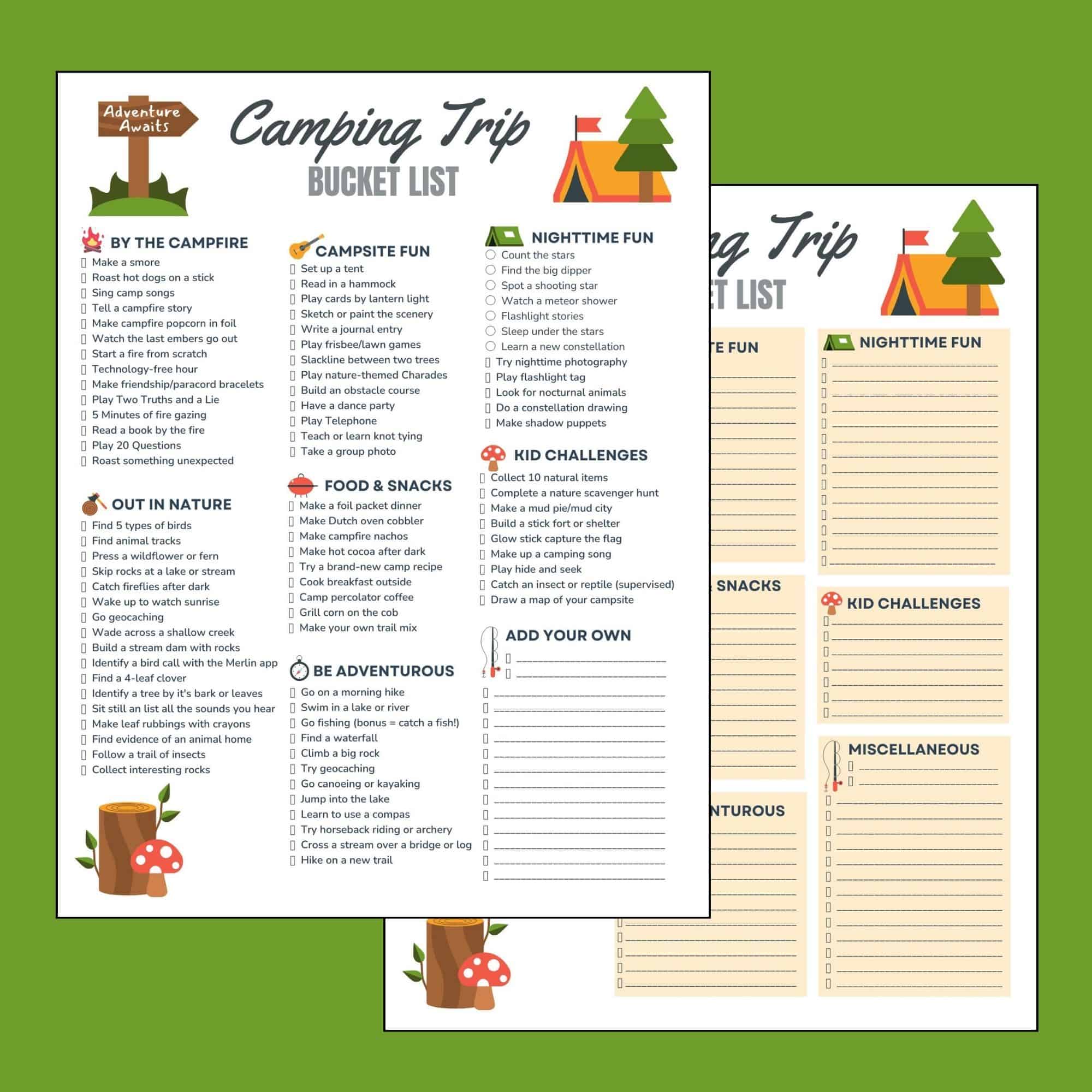
- Camping Bucket List: 50 ideas for things to do and experience while camping — great to hand to kids when they say they’re bored
- Camping Countdown Calendar: count down the days to your trip with a printable calendar
- Beach Packing List: same organized checklist format for beach trips and beach camping
- Summer Bucket List: a whole-summer checklist of activities, adventures, and family moments to aim for
- Summer Planner: a May–August monthly overview to plan camping trips, vacations, and summer schedules
- Vacation Countdown Calendar: a 30-day countdown if you have a longer trip coming up
Free Thankful Turkey Craft: Turkey Feathers Template PDF Download
Free Fall Bingo Printable PDF (38 Pages of Cozy Autumn Fun) 🍂
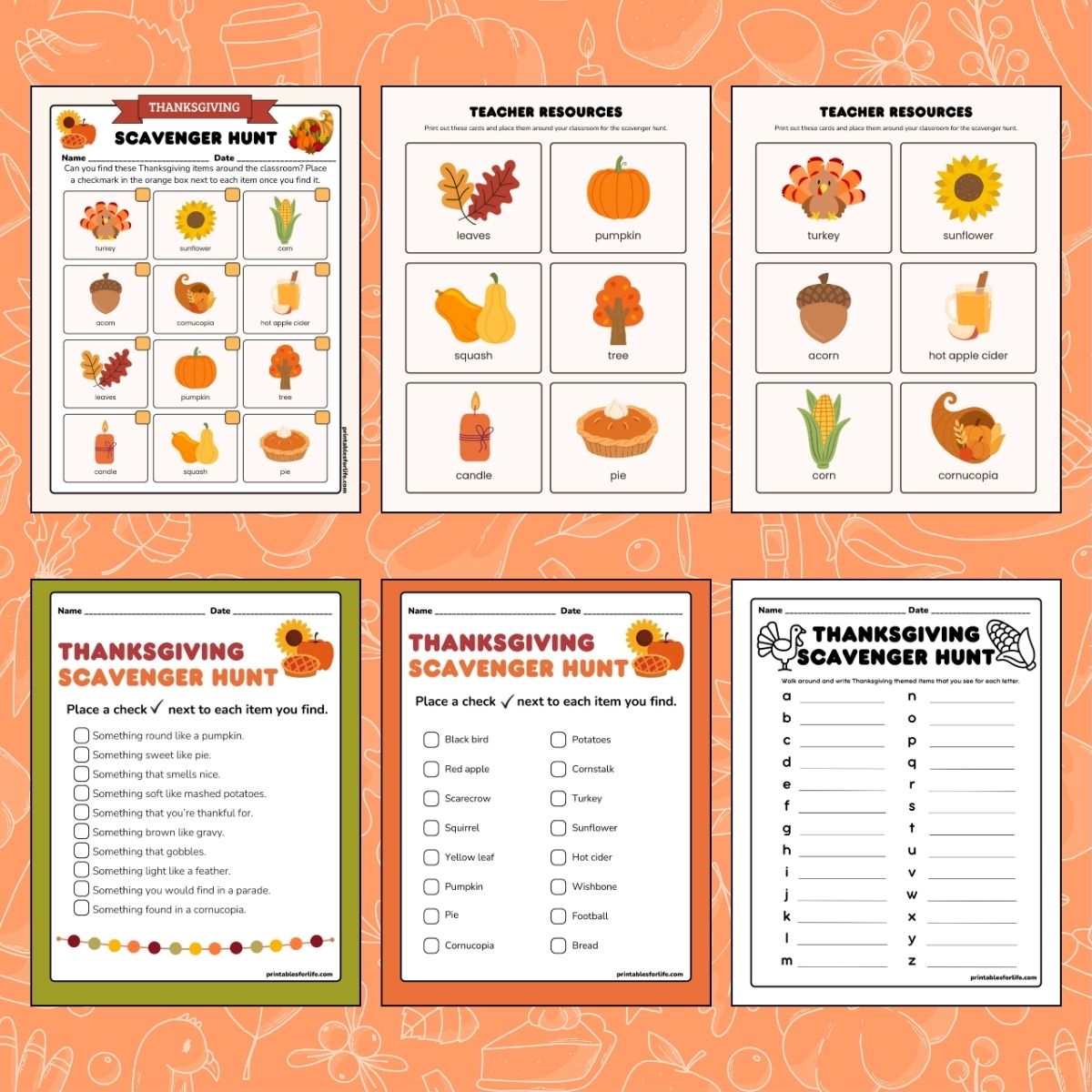
Free Printable Thanksgiving Scavenger Hunt for Kids PDF
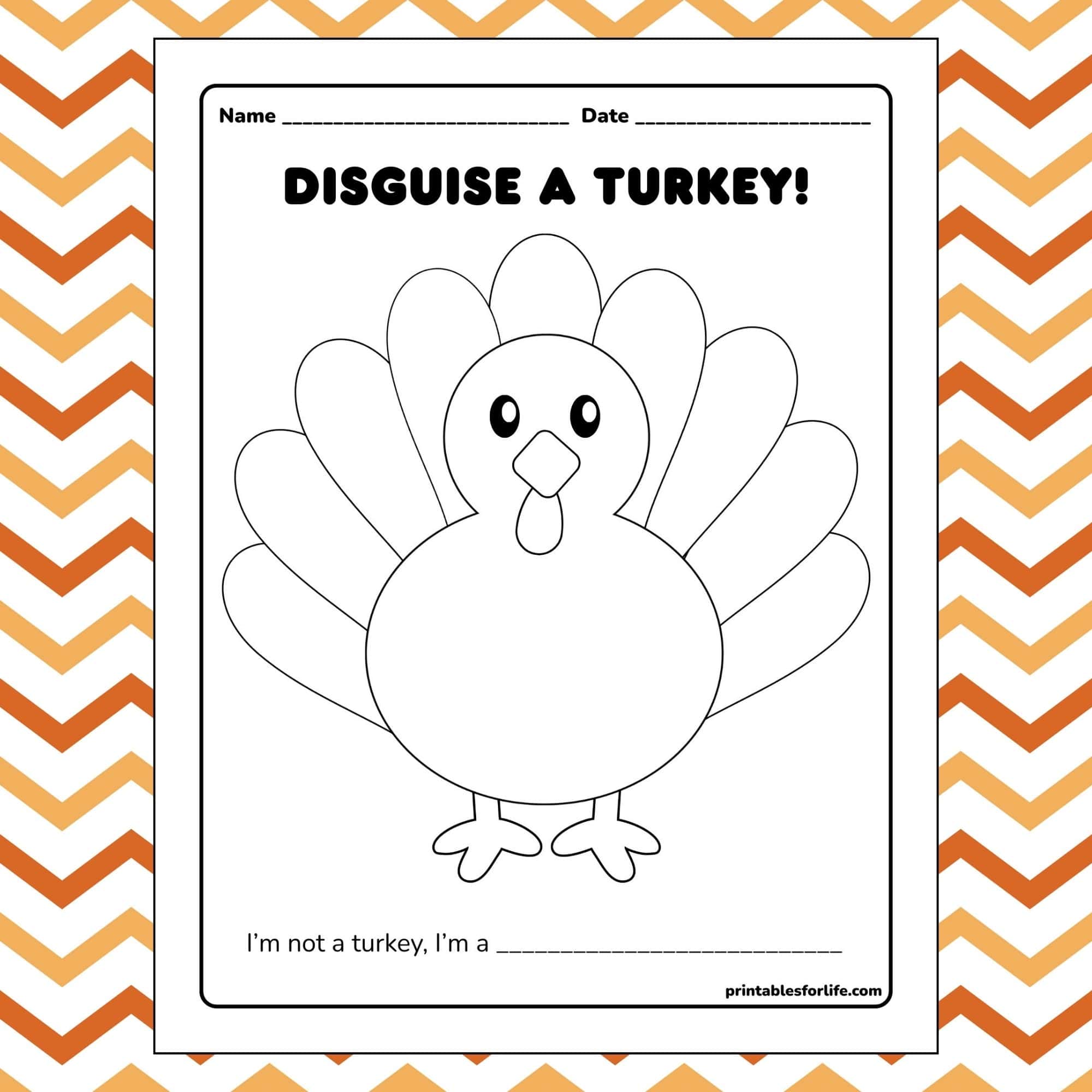
Disguise a Turkey Template | Free Printable PDF (Blank + 20 Costume Ideas)
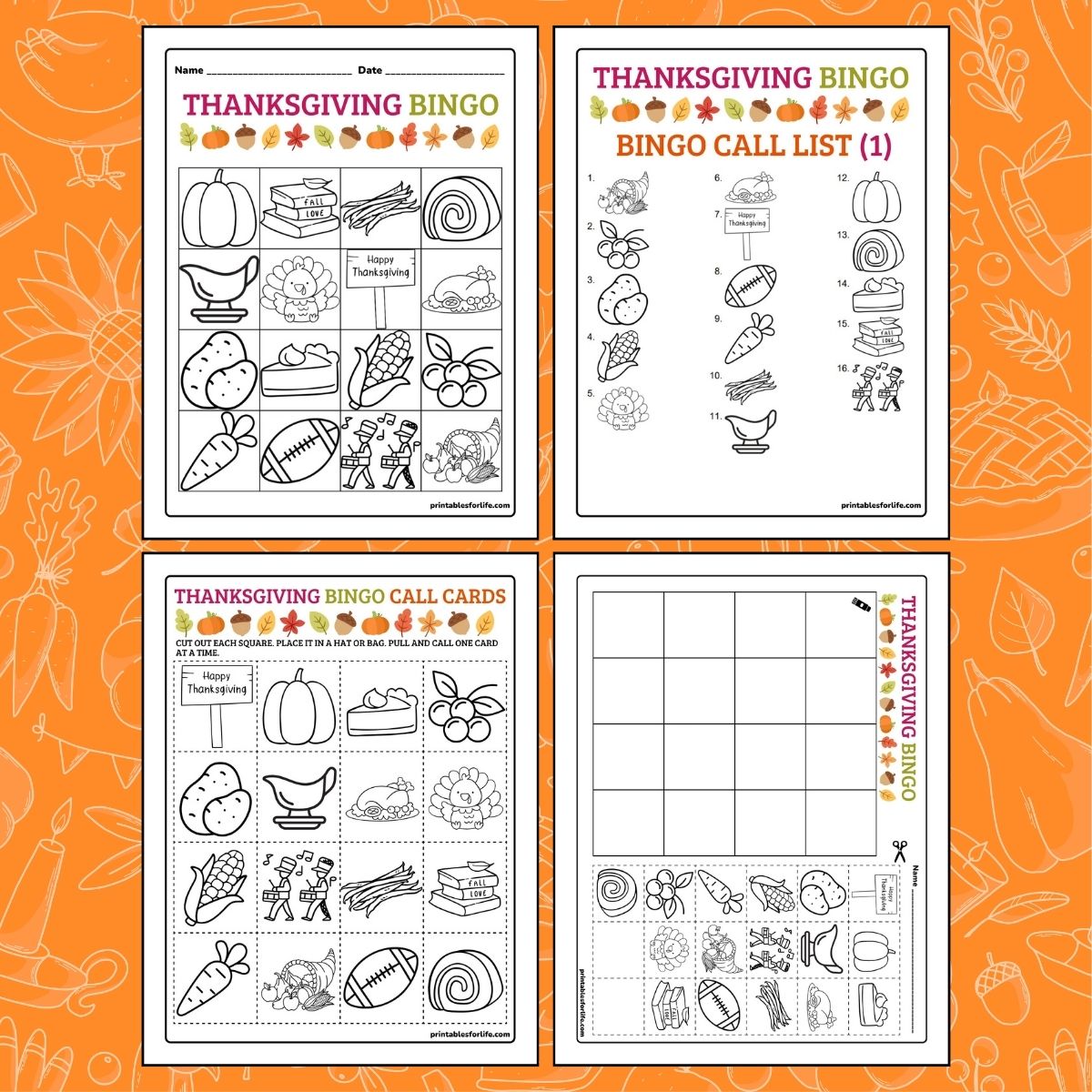
Free Thanksgiving Bingo Printable (38 Page PDF Download) 🦃
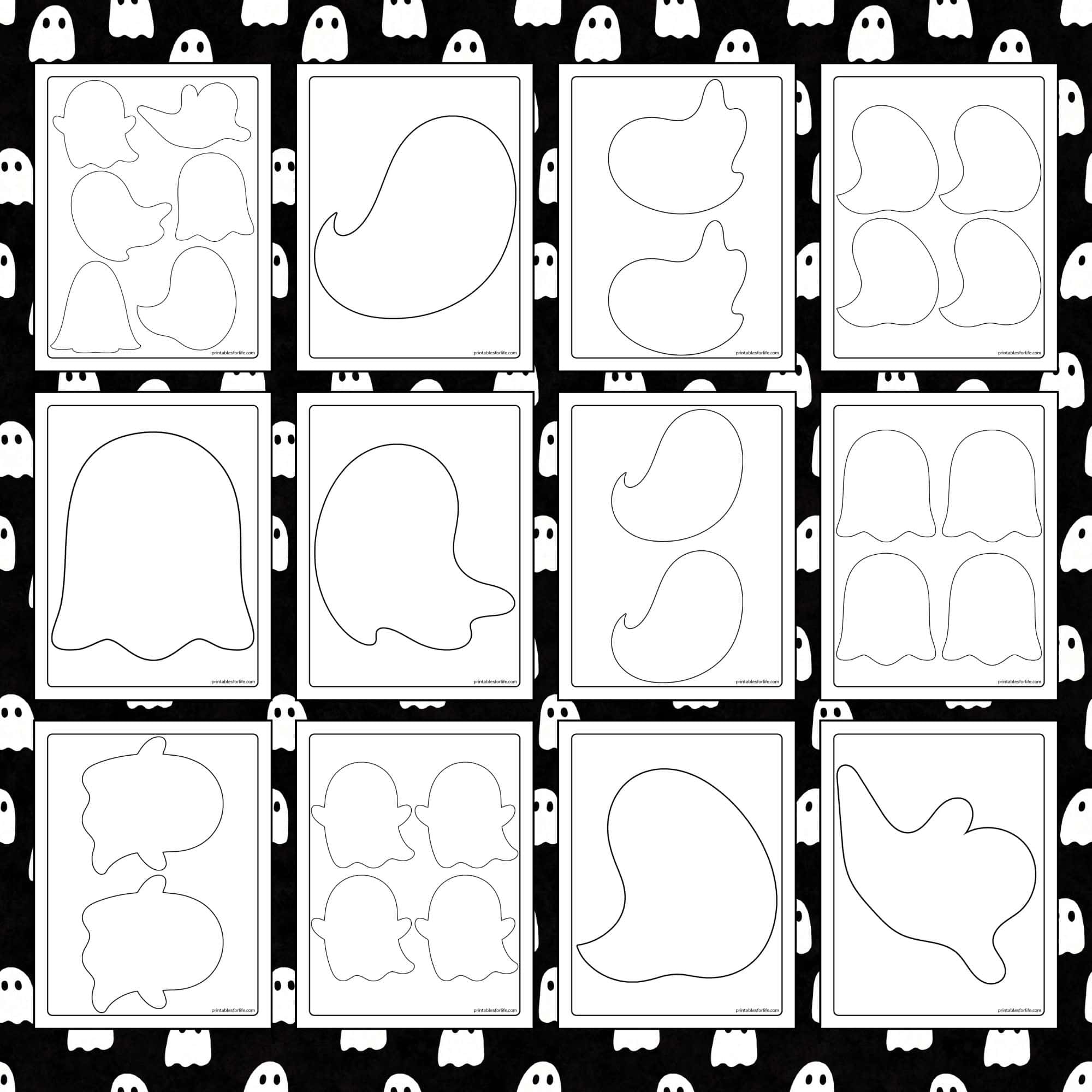
Ghost Template Printable | Free PDF (Large, Small & Full Page)
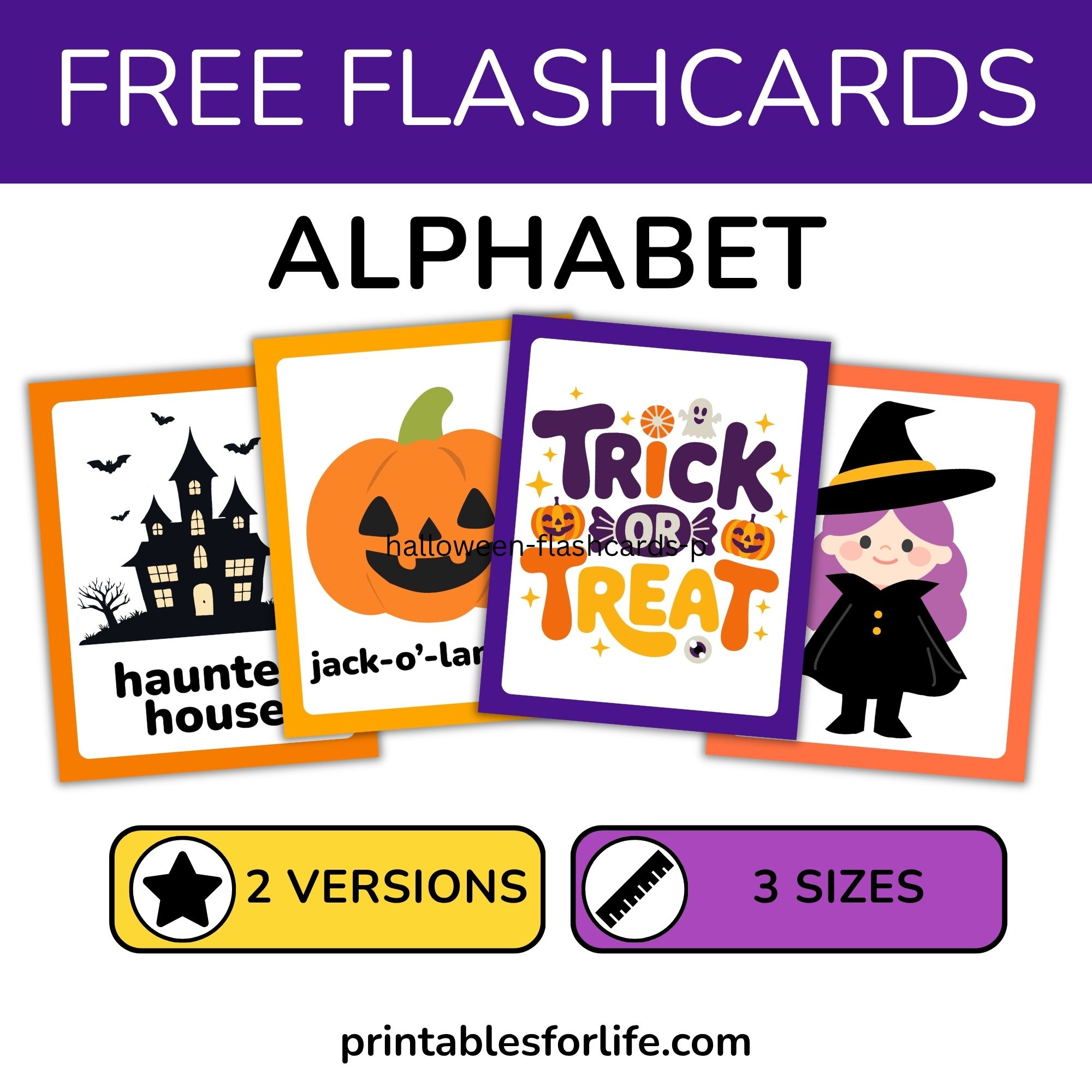
Free Halloween Flashcards Printable PDF (With and Without Words!)
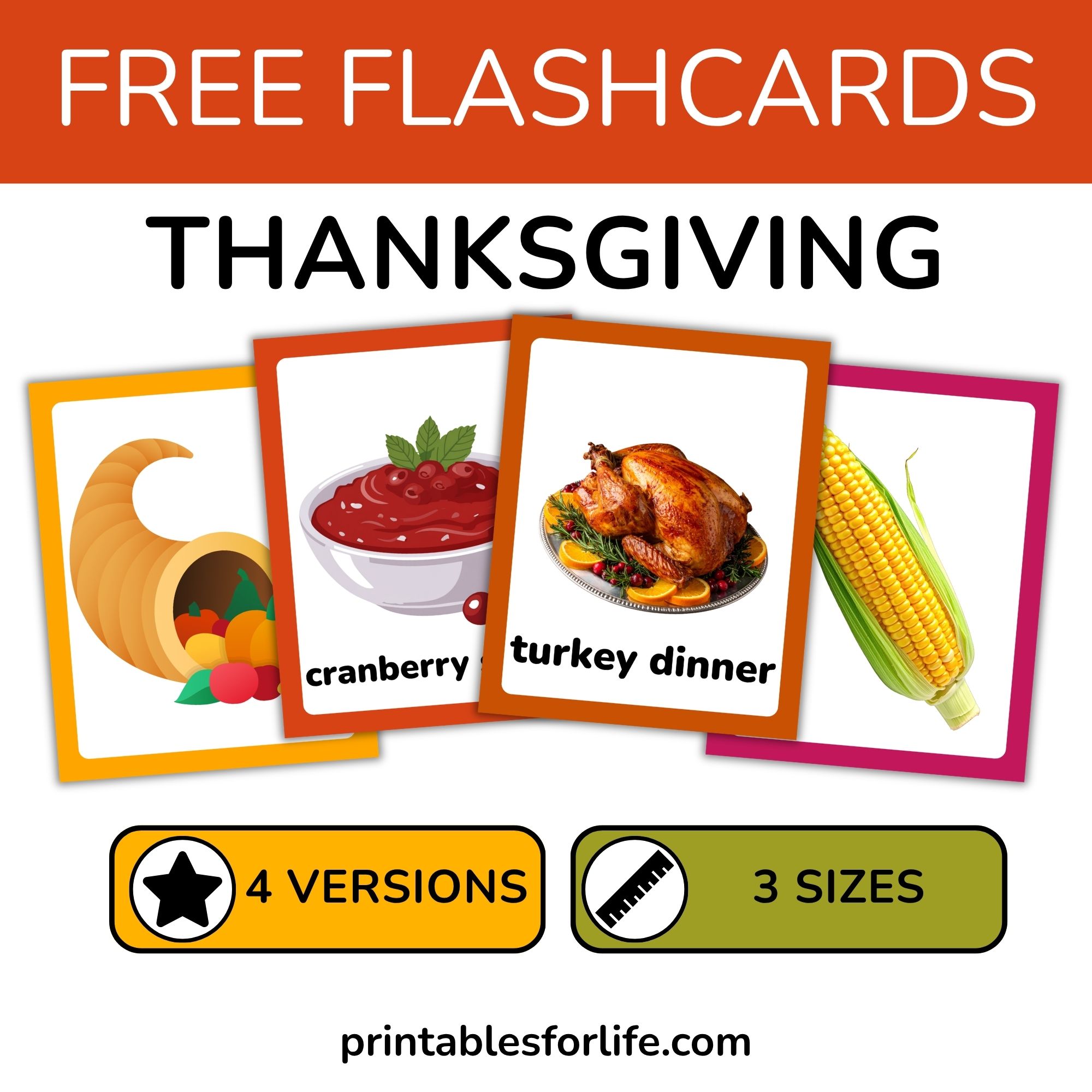
Free Thanksgiving Flashcards Printable PDF (+ Realistic Pictures)
Frequently Asked Questions
What should I pack for camping?
The essentials fall into 12 categories: shelter and sleep, food and snacks, tools and gear, clothing, safety and first aid, toiletries, camp kitchen, campsite, lighting and electronics, entertainment, kids’ extras, and a miscellaneous section for overflow. The pre-filled version of this printable covers 75+ items across all twelve categories, and the article above explains what to prioritize in each section.
What is the most forgotten thing when packing for camping?
The can opener, bug spray, and a headlamp for each person are the most commonly forgotten camping items. Extra socks, a rain jacket, and something to entertain the kids during downtime round out the list of things people wish they’d remembered. The pre-filled version of this packing list specifically includes all of these so they don’t fall off your radar.
What’s different about the plain and filled versions?
The plain (blank) version gives you empty checkbox lines in each of the 12 categories so you can write in exactly what you plan to bring. The filled version has 75+ common camping essentials already printed in each section, with a few blank lines at the bottom for anything specific to your trip. If you want a quick “check and go” list, grab the filled version. If you prefer to customize everything, go with the plain.
Is this camping packing list free?
Yes — both the plain and pre-filled versions are completely free to download and print. No email signup, no account, no paywall. Click the Download button above the version you want, and the PDF will open in your browser or download directly.
Can I edit the camping packing list?
Yes. Click the “Edit in Canva” button to open the template in Canva, where you can add, remove, or relabel any item. You’ll need a free Canva account to make edits and save your version.
How many pages is the printable?
Each version (plain and filled) is a single page that prints on standard 8.5″ × 11″ paper. The two-column layout keeps everything readable without requiring multiple sheets.
What’s in the kids’ extras section?
The kids’ extras section includes kid-specific items that don’t fit naturally into the other categories: child-safe sunscreen and bug spray, life jackets, bicycle helmets, glow sticks, small backpacks for hikes, activity books, favorite snacks, and extra clothes. It’s the section most adult-focused packing lists leave out entirely.
Can I use this for tent camping and RV camping?
The blank version works well for either — just fill in what applies to your setup. The pre-filled version is designed with tent/car camping in mind. If you’re RV camping, you’ll skip some of the shelter items but the kitchen, clothing, toiletries, entertainment, and kids’ sections are essentially the same.
You Might Also Like
Free Camping Bucket List (50 Fun Ideas for Families)
Ultimate Camping Packing List: Printable Checklist
Free Printable Summer Routine Checklist for Kids (Morning, Afternoon & Evening)
Summer Routine Checklist Free Printable for Kids + Weekly Grid

Free Printable Summer Schedule Template for Kids (Daily + Weekly)
Summer Schedule Template Free Printable for Kids and Families
FREE Holiday Planner: Thanksgiving, Christmas & New Year’s 50+ Pages!

Period Tracker – Free Printable for Menstrual Cycle & Phase Tracking
Download & Print
Ready to get organized and go? Download the checklist and start packing today!
🦀 Summer Coloring 🏖️
From our sister site colorandtrace.com
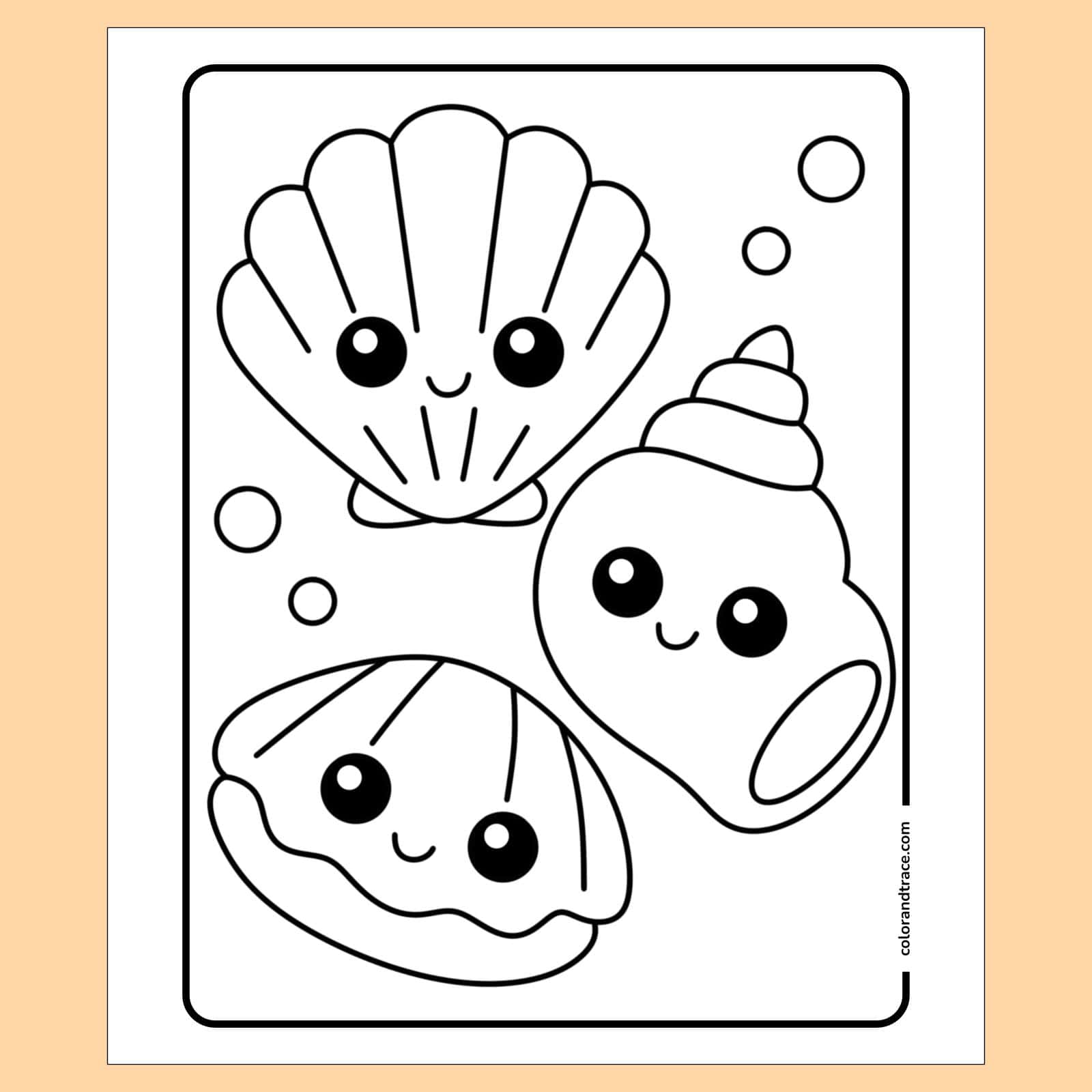
Seashells Coloring Page
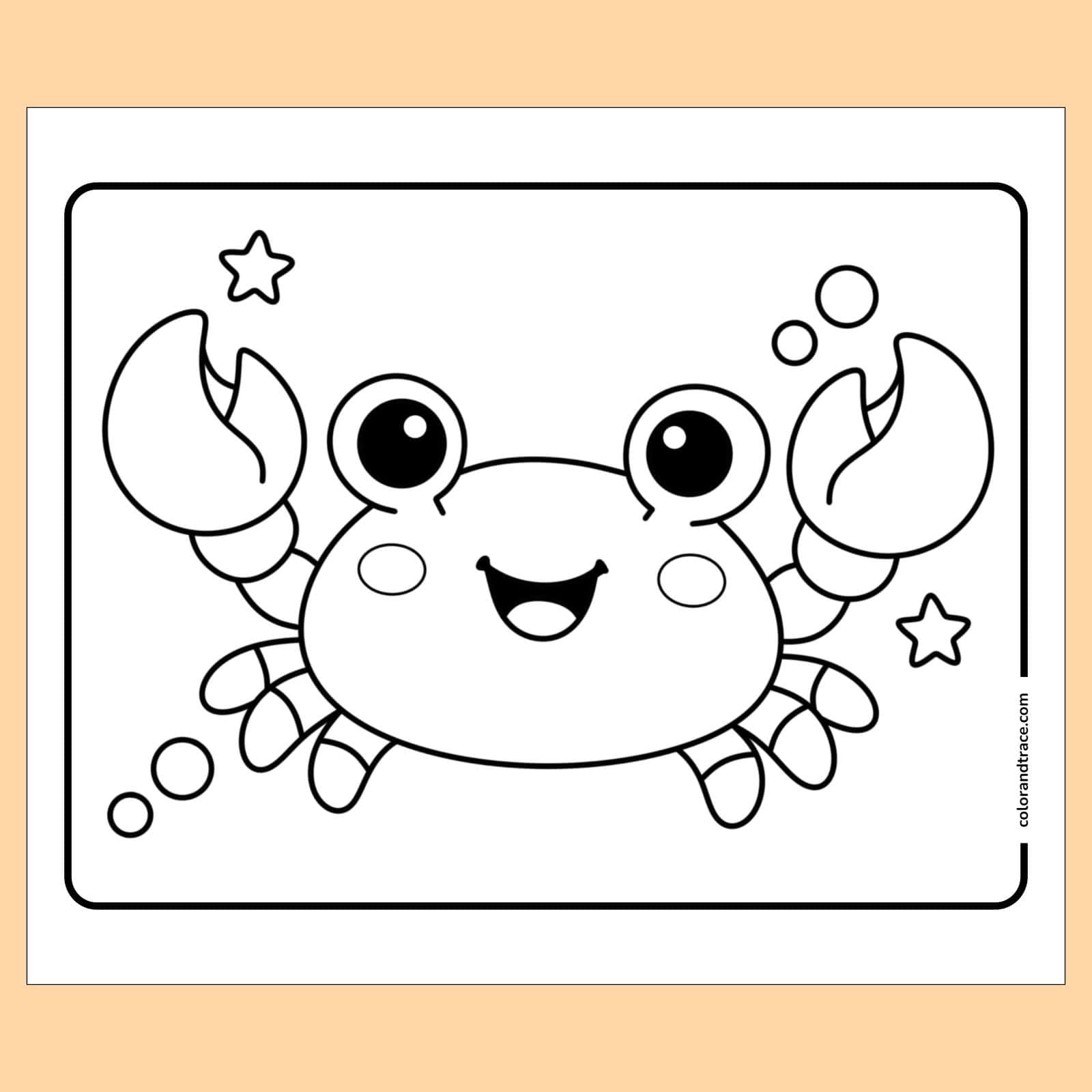
Crab Coloring Page