
Meet the best 50 30 20 budget template for beginners, a simple 50/30/20 budget planner you can print and use right away.
It helps you split net income into Needs, Wants, and Savings so your money has a clear job. Perfect for a quick monthly reset. 😊
Want a fuller month-by-month snapshot next, add our monthly budget beside this worksheet.
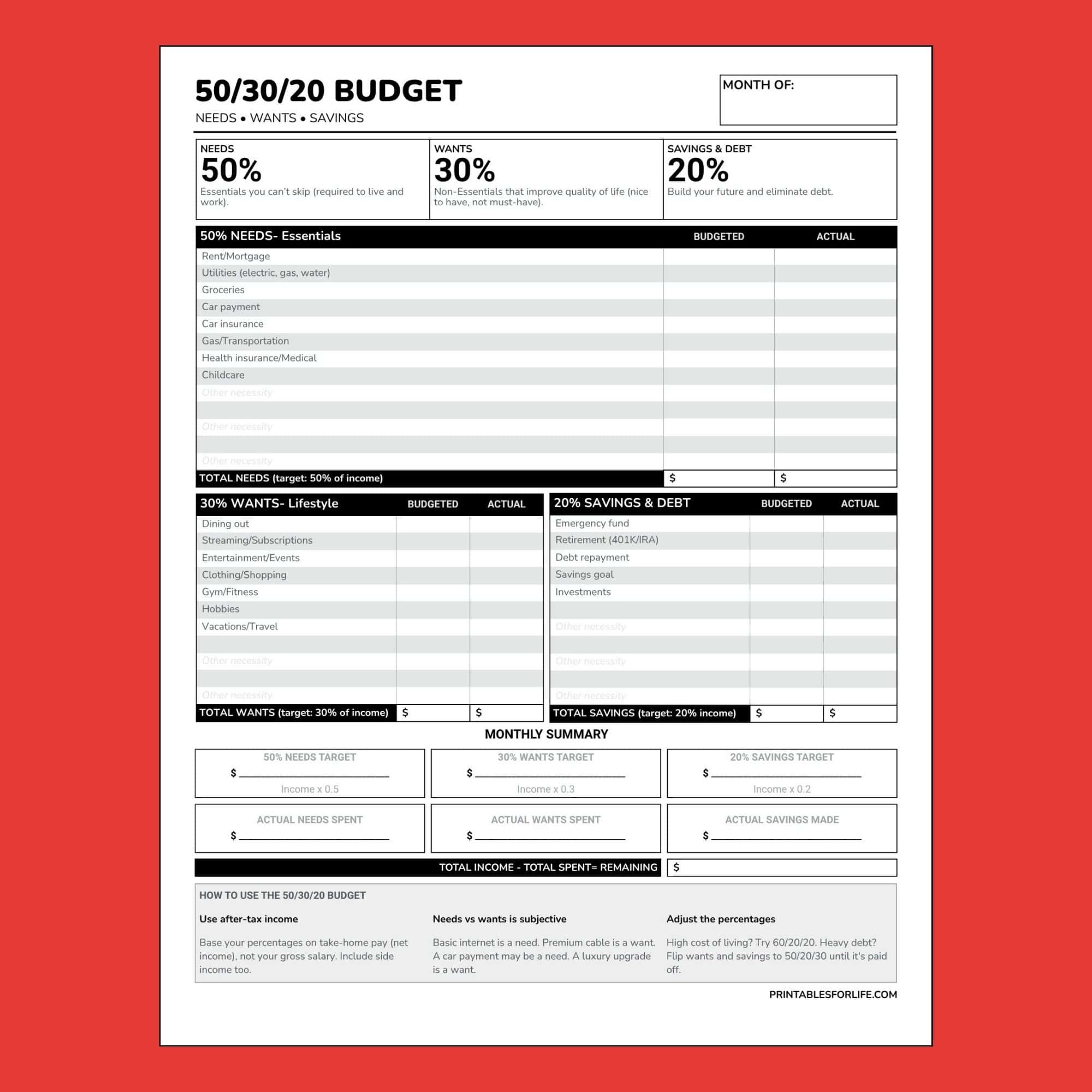
Wondering what is the 50/30/20 budget? This budget rule uses a single-page A4 layout to sort necessities, wants, and savings at a glance, and our minimal black-and-white printable 50/30/20 budget worksheet keeps it distraction free.
Pair it with a savings tracker to see progress month after month.
This budget planner template works as a simple budget tracker with itemized rows, budgeted vs actual columns, and monthly summary boxes in clear Needs/Wants/Savings columns. List categories and expenses like groceries, rent, utilities, subscriptions, and any credit card charges, then see if Needs are close to half of your budget.
If you’re after a free 50 30 20 budget template, you can also pair it with a debt payoff tracker or organize by paycheck budget for extra clarity.
What’s Included
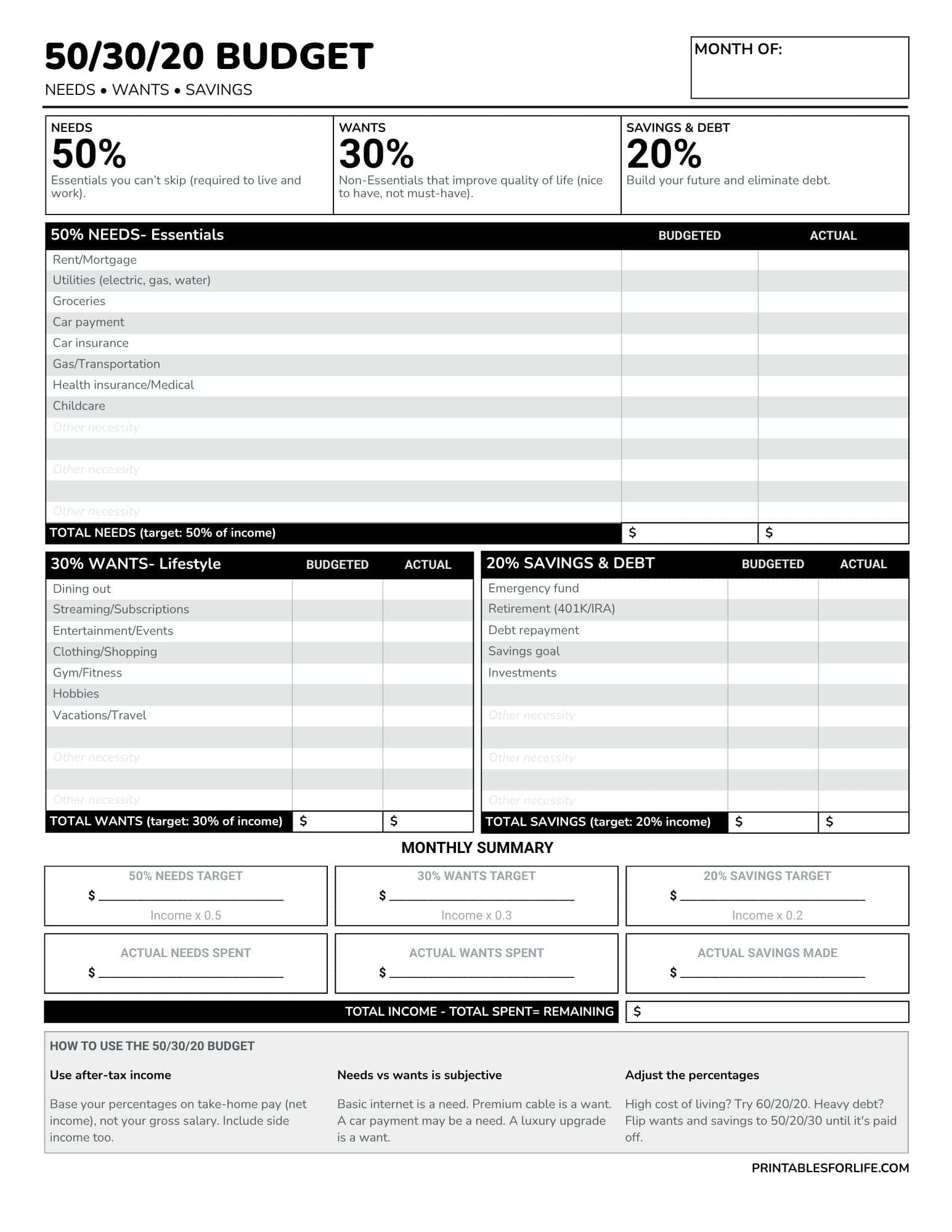
- Single-page PDF and JPG
- Needs, Wants, and Savings columns
- Budgeted vs actual columns
- Itemized rows for categories and expenses
- Monthly summary boxes for quick totals
Features
- Minimal black-and-white layout with a clean B/W style and subtle red border
- Room for rent, utilities, groceries, subscriptions, credit card, gyms, and childcare
- Space for savings goals like an emergency fund, savings account, retirement account, retirement savings, retirement contributions, a down payment, or vacations
- Clear monthly summary boxes to total each column and track progress toward future goals and long-term goals
- Print-ready, vertical design with Needs/Wants/Savings columns and itemized rows
- Works great for debt repayment including student loan payments, a student load, and paying minimums while you reduce balances
Who It’s For
- People budgeting for beginners who want a fast, friendly monthly routine.
- Anyone focused on personal finance who prefers a printable worksheet over apps.
- Households paid by paycheck that want a simple way to sort necessities, wants, and savings.
- Budgeters managing childcare, gyms, and subscriptions while staying on track with student loan payments.
- Families building retirement savings and an emergency fund without overcomplicating the process.
- Anyone who wants a calm, visual system to support financial well-being.
How To Use
- Write your net income at the top, then plan necessities in Needs, examples of wants in Wants, and your savings goals in Savings.
- Itemize categories and expenses such as rent, groceries, utilities, subscriptions, and any credit card charges, using budgeted vs actual columns to compare.
- In Needs, cover survival items first and pay at least the minimums on debt repayment, including student loan payments or a student load if you have one.
- Fill the Savings column with a savings account deposit, emergency fund, retirement contributions to a retirement account, and any down payment or future goals.
- Use the monthly summary boxes to see if Needs are near half of your budget and to review how well this budgeting method is working for you.
Planning Tips
- Pair this sheet with other budgeting worksheets and our budgeting finances printables to round out your routine.
- Track daily spending with a weekly expense tracker so your budgeted vs actual numbers stay accurate.
- Set future goals and long-term goals in the Savings area, then review progress each month.
- When estimating necessities, list survival costs first so you know your baseline before adding extras.
- Use the Needs/Wants/Savings split as a guide, not a rule, and adjust categories as life changes.
Skill Building
This printable builds money management habits by guiding you through a simple budgeting method you can repeat every month. Consistently comparing budgeted vs actual grows awareness, supports financial well-being, and keeps your plan aligned with real life.
Related Posts
Need help staying on top of due dates, try a tidy monthly bill tracker. If you prefer cash categories, read about the cash envelope budget or print matching cash envelopes. For a broader view, plan the year ahead with our annual budget template or break things down with a weekly budget template.
You Might Also Like

Free 4th of July Signs | Patriotic PDF
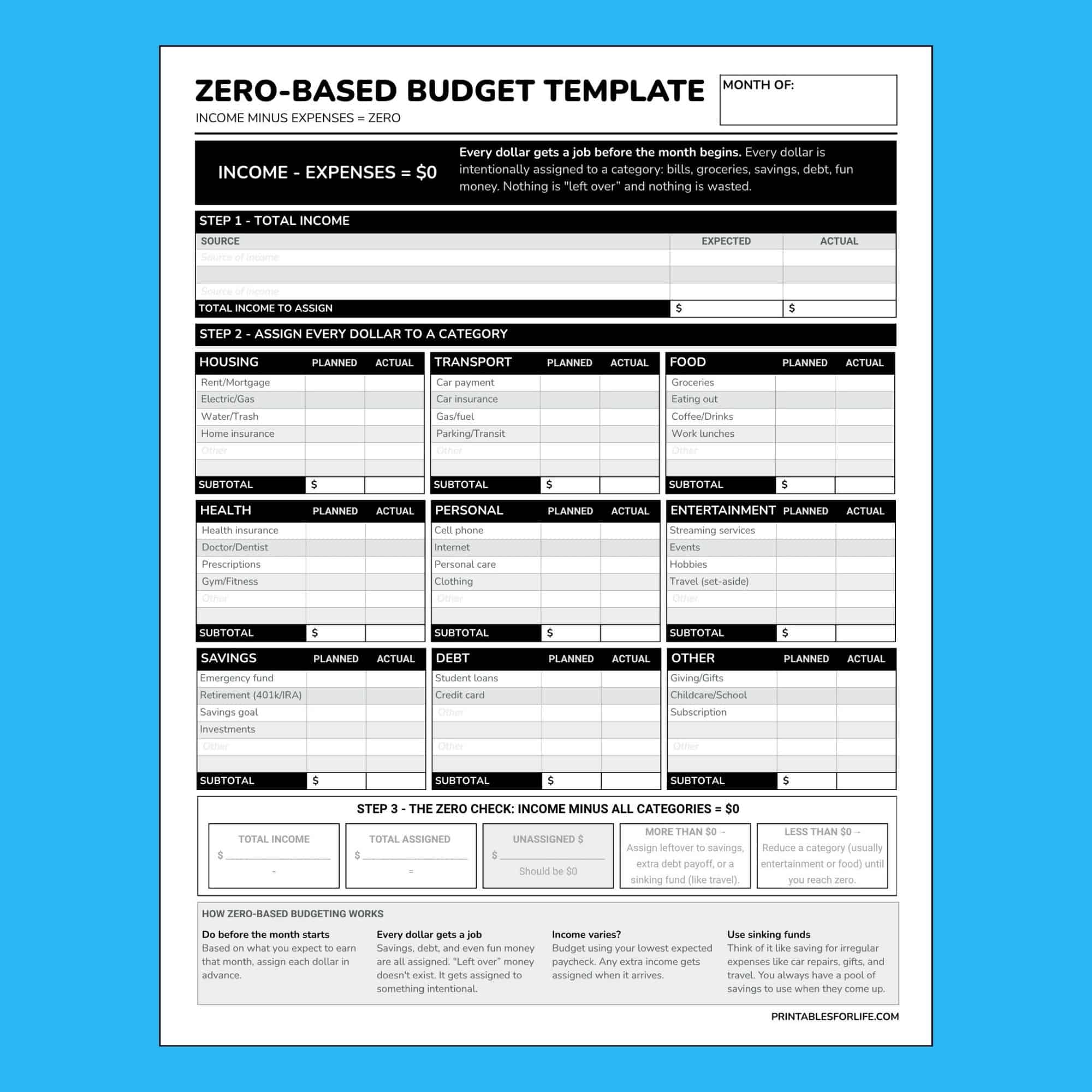
Free Zero Based Budget Template Printable Worksheet
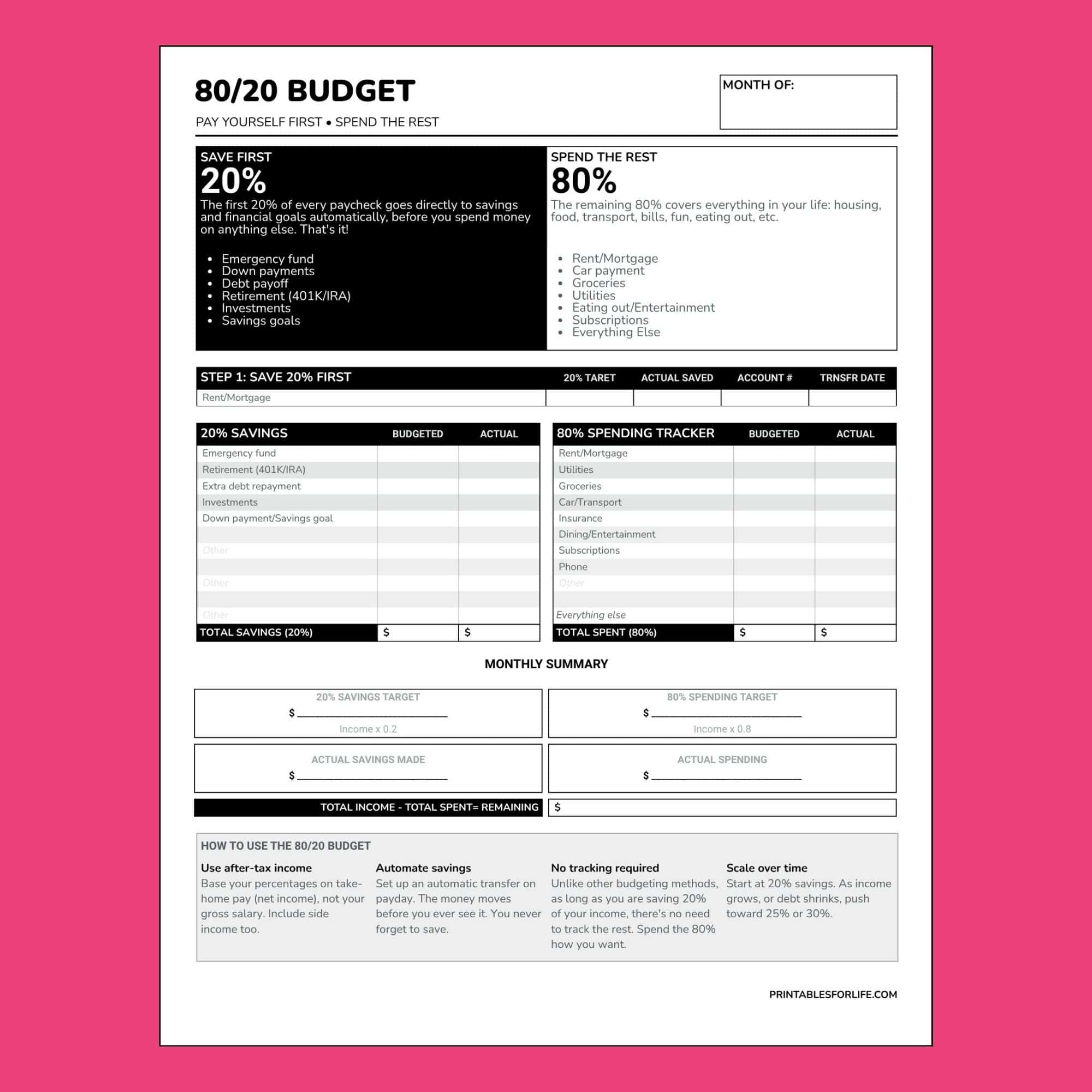
80/20 Budget Template: One-Page Worksheet to Save 20%
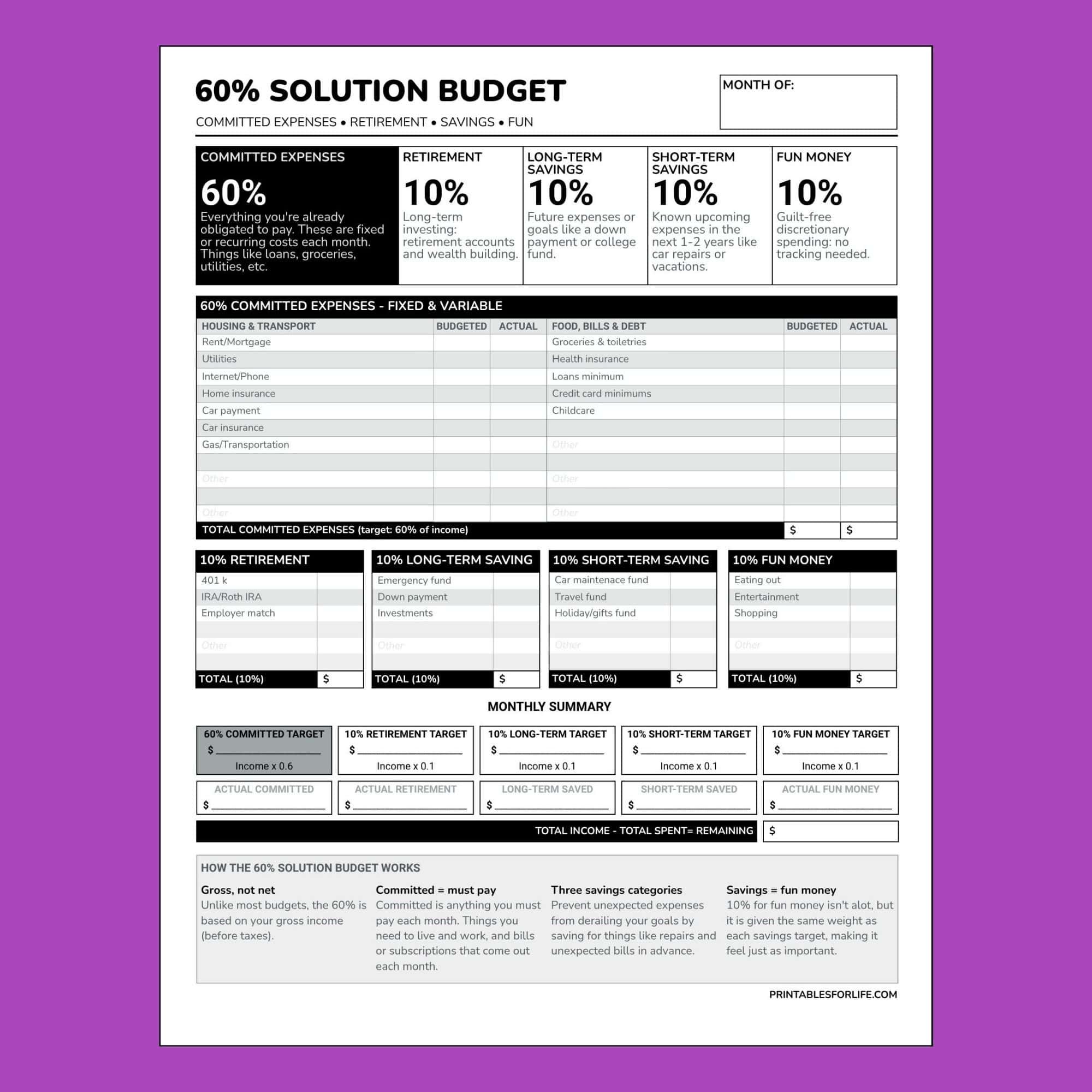
60% Solution Budget Template Printable | Simple Monthly Worksheet
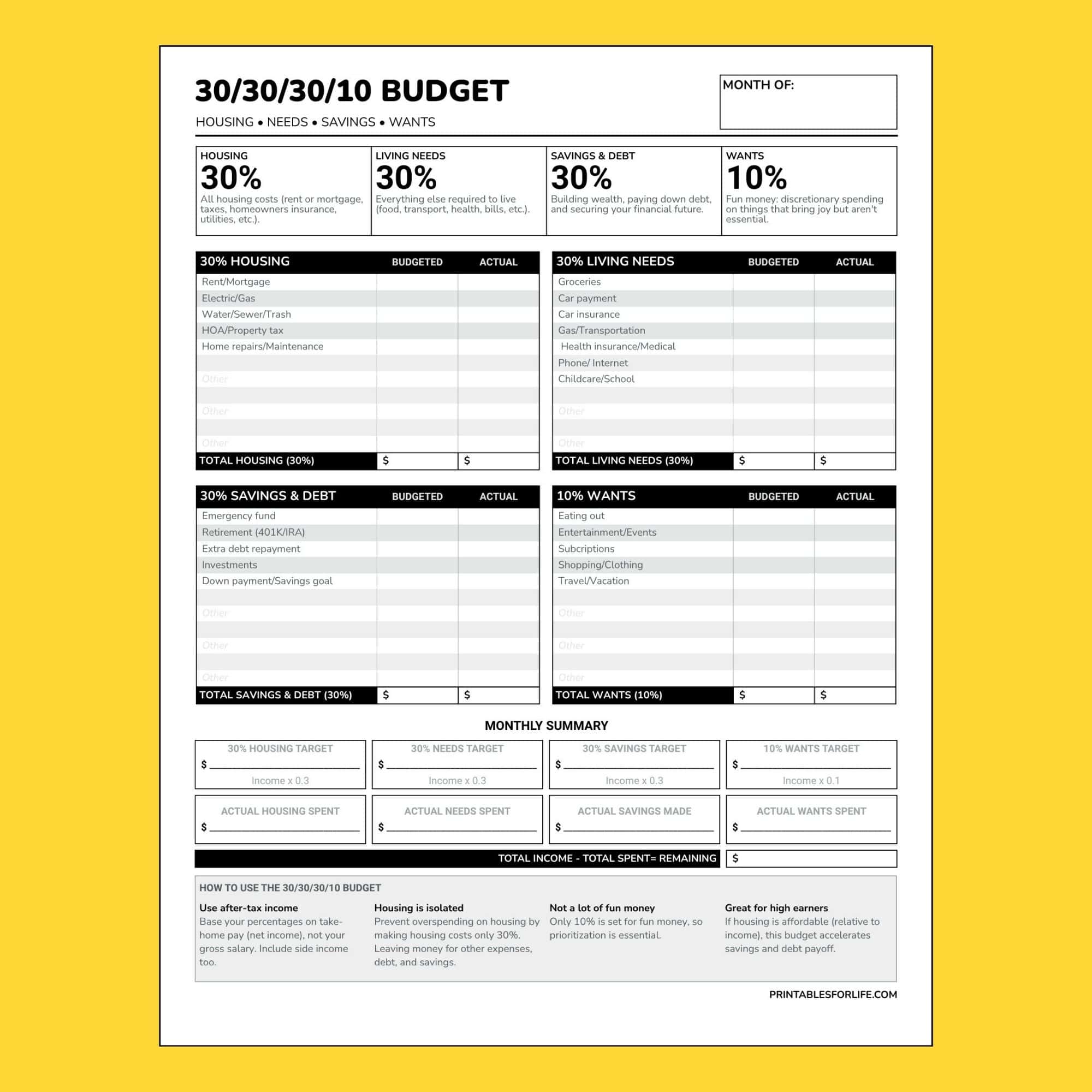
Free 30-30-30-10 Budget Template: One-Page Monthly Worksheet
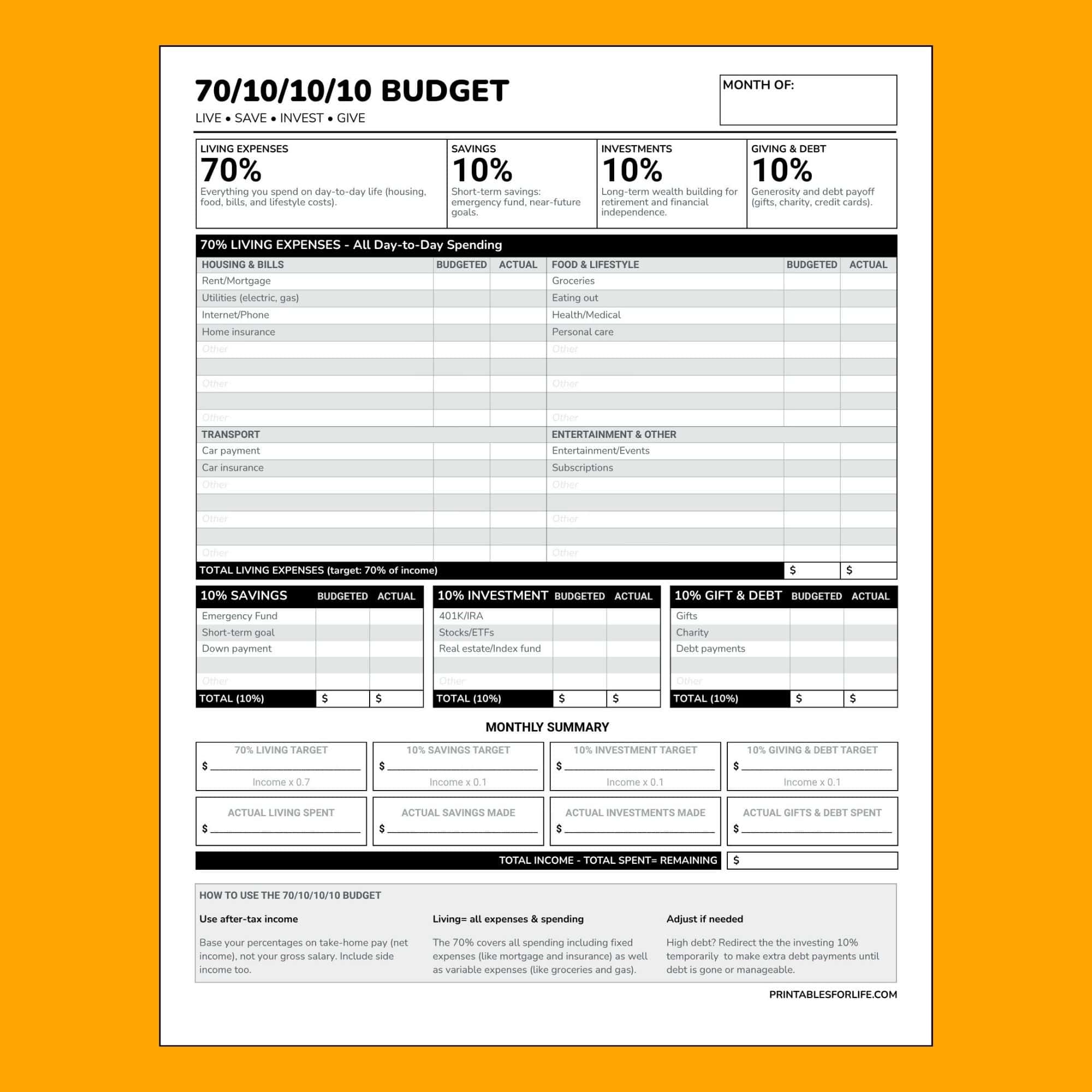
70-10-10-10 Budget Template Printable PDF
Best 50-30-20 Budget Template for Beginners: Free Printable Worksheet
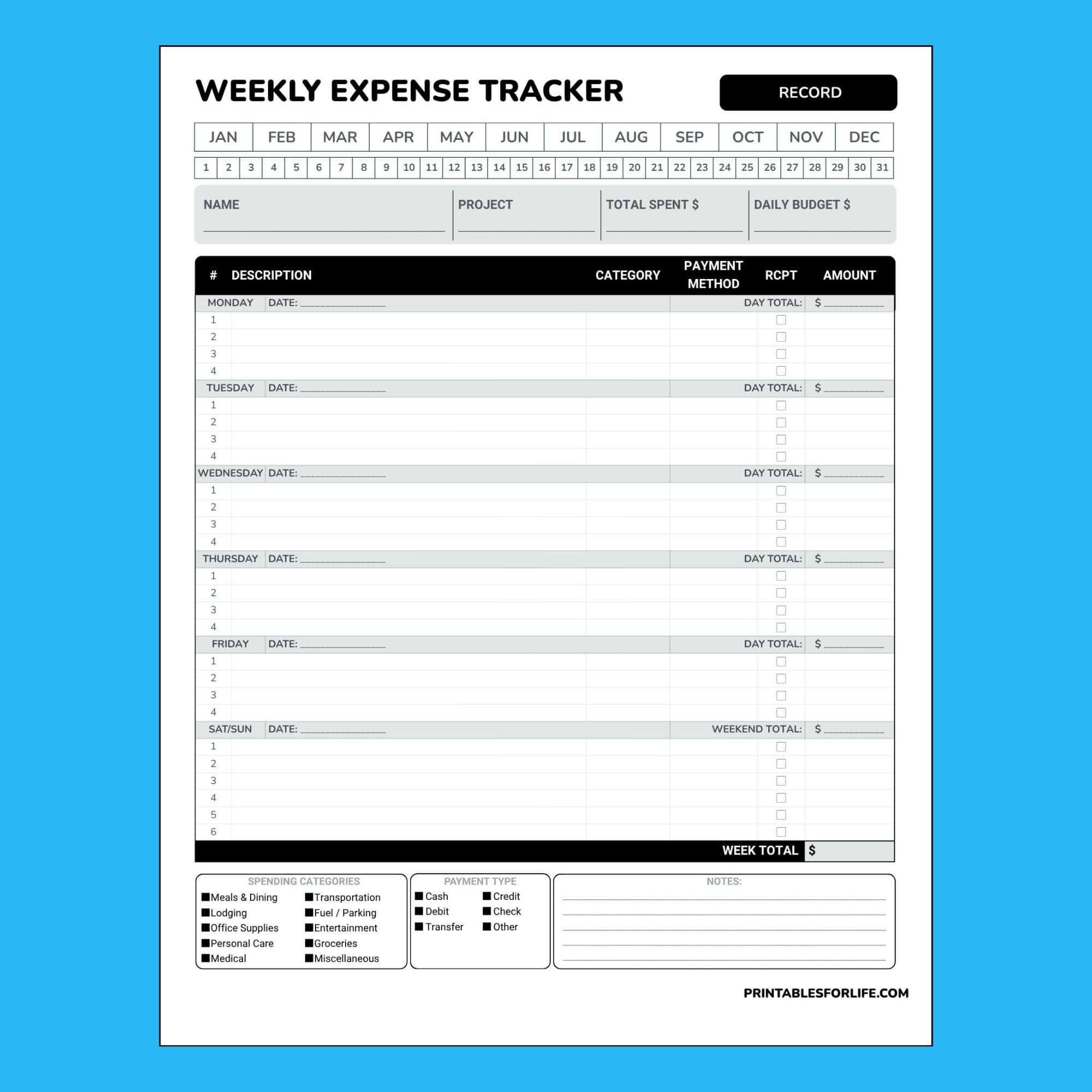
Free Weekly Expense Tracker Template PDF
THE BEES ARE BUZZING
☀️ Summer is Here! 🌴
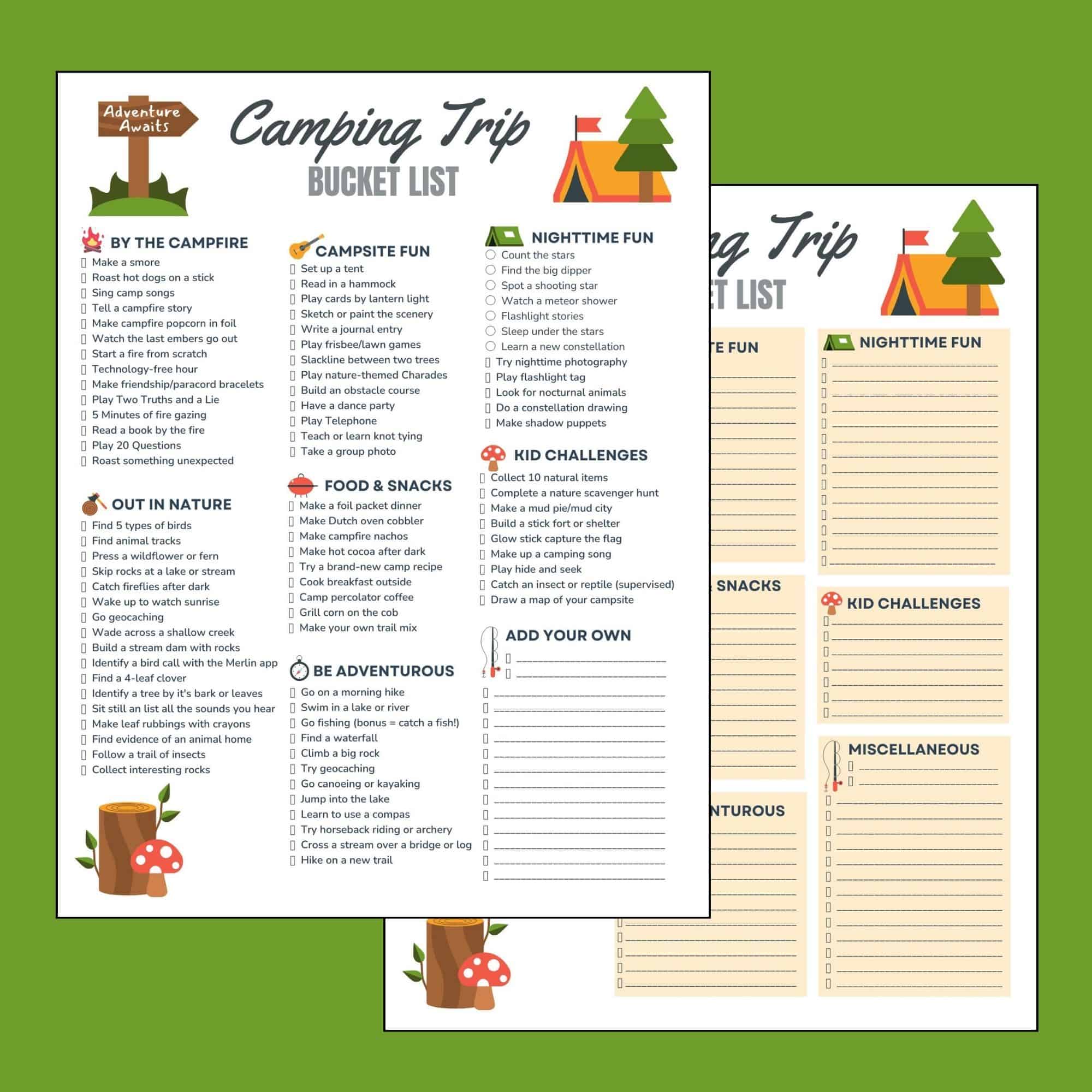
Free Camping Bucket List (50 Fun Ideas for Families)
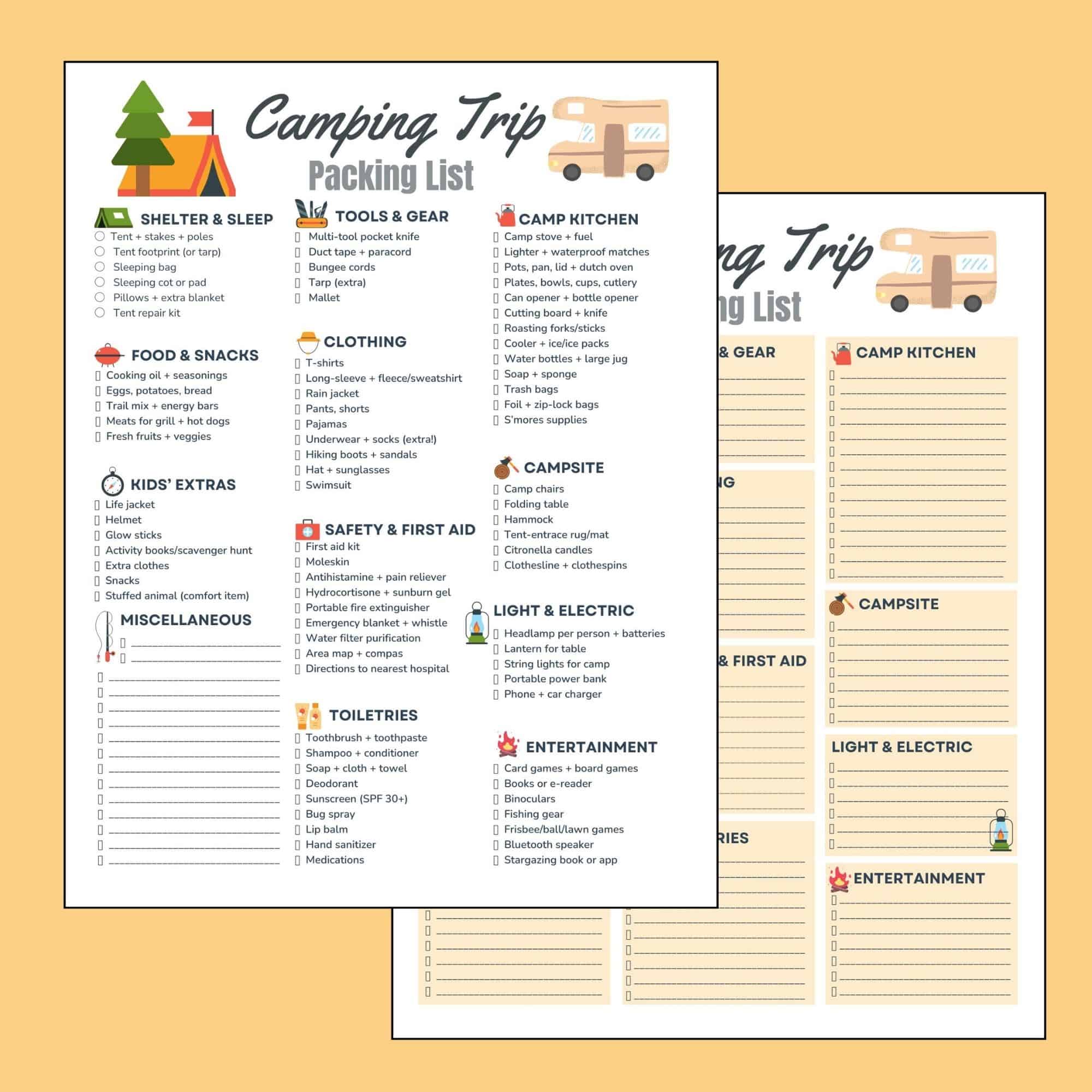
Ultimate Camping Packing List: Printable Checklist

Free Printable Summer Routine Checklist for Kids (Morning, Afternoon & Evening)
Download & Print
Ready to simplify your month, download the worksheet and start your 50/30/20 plan today.
This printable makes the 50/30/20 budget easy, flexible, and beginner friendly. Want to try a different structure next, explore our zero‑based budget for a fresh take.
🦀 Summer Coloring 🏖️
From our sister site colorandtrace.com

Seashells Coloring Page
Crab Coloring Page